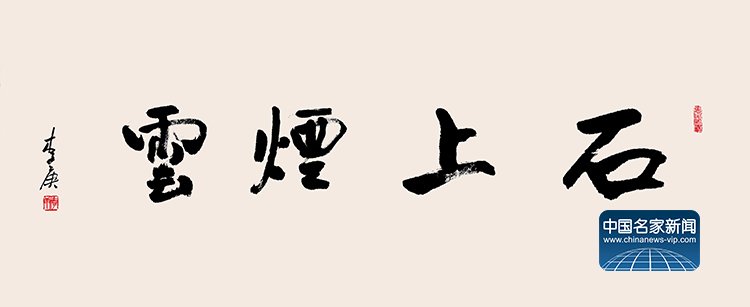
 Clouds and Mists Over Rocks by Li Geng
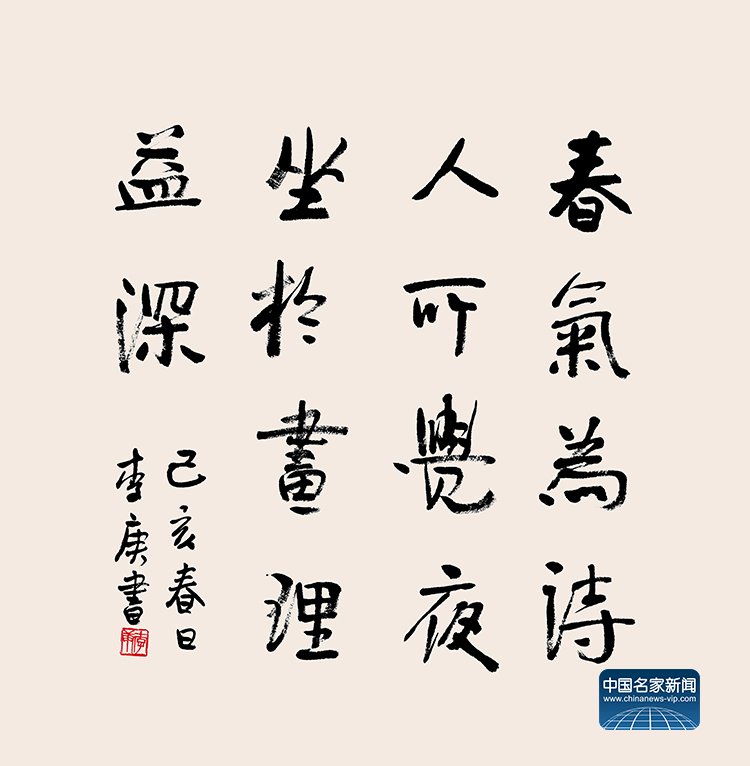 Poets Perceive the Breath of Spring; Night Meditation Deepens the Wisdom of Painting By Li Geng
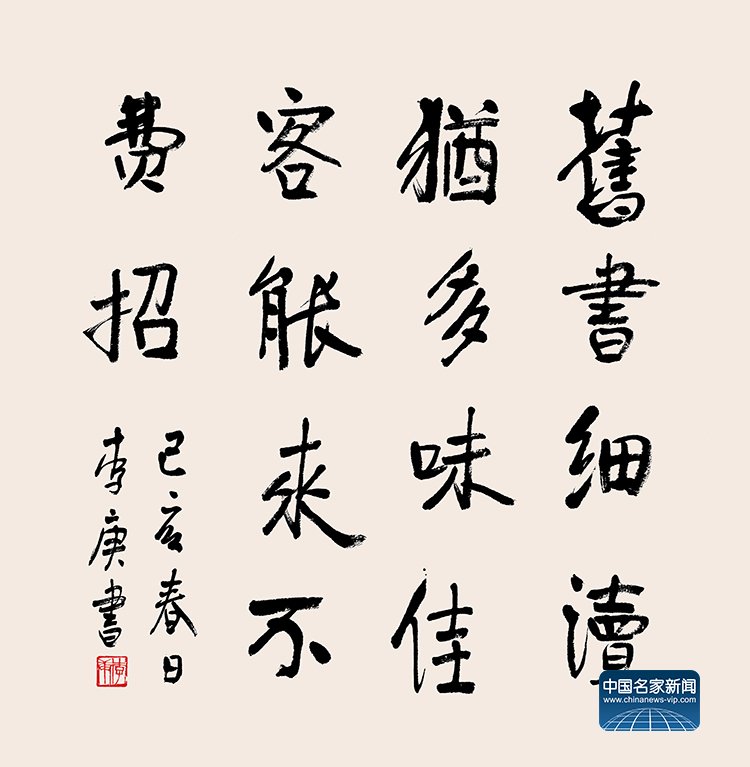 Old Books Read Carefully, Good Guests Come Without Need for Invitation By Li Geng
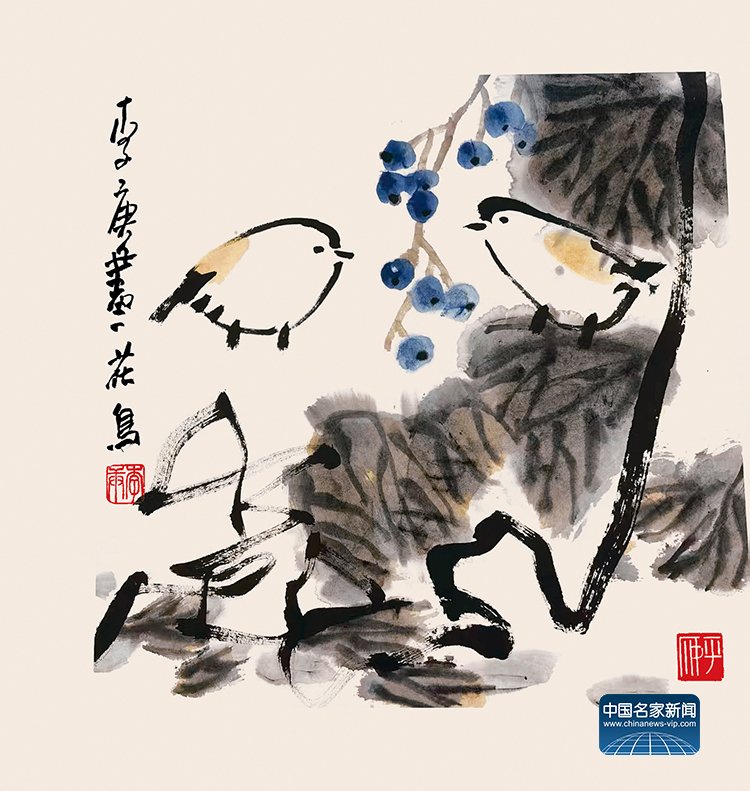 Flower-and-bird Paintings by Li Geng
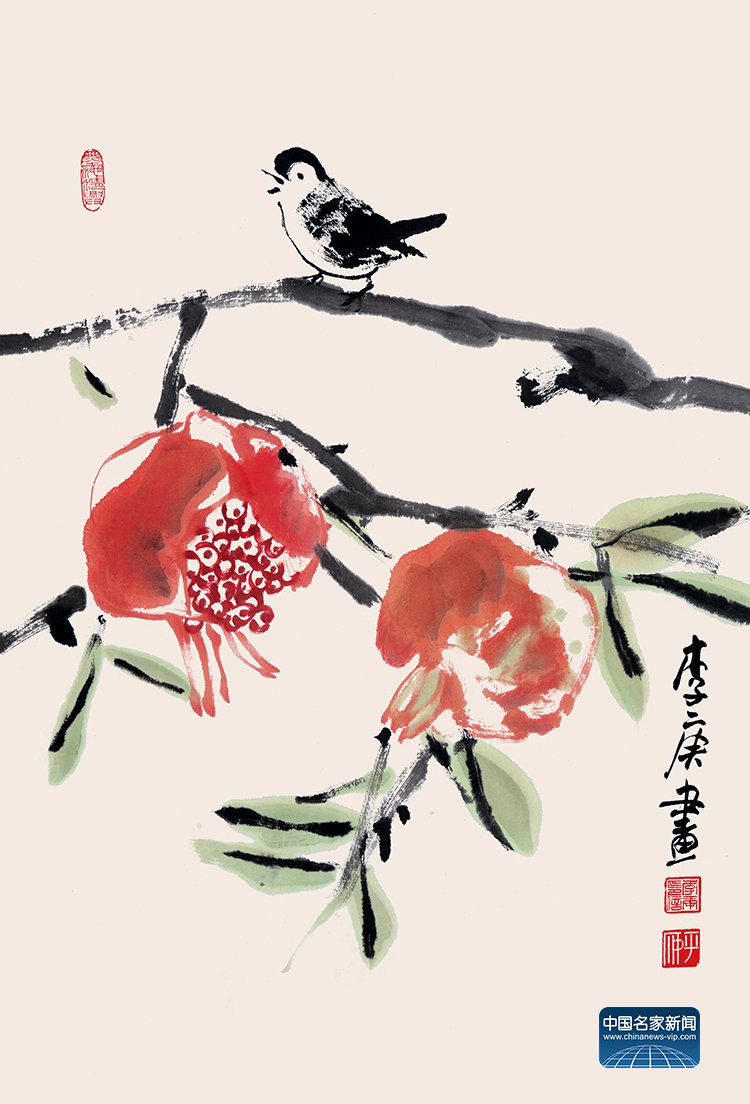 Flower-and-bird Paintings by Li Geng
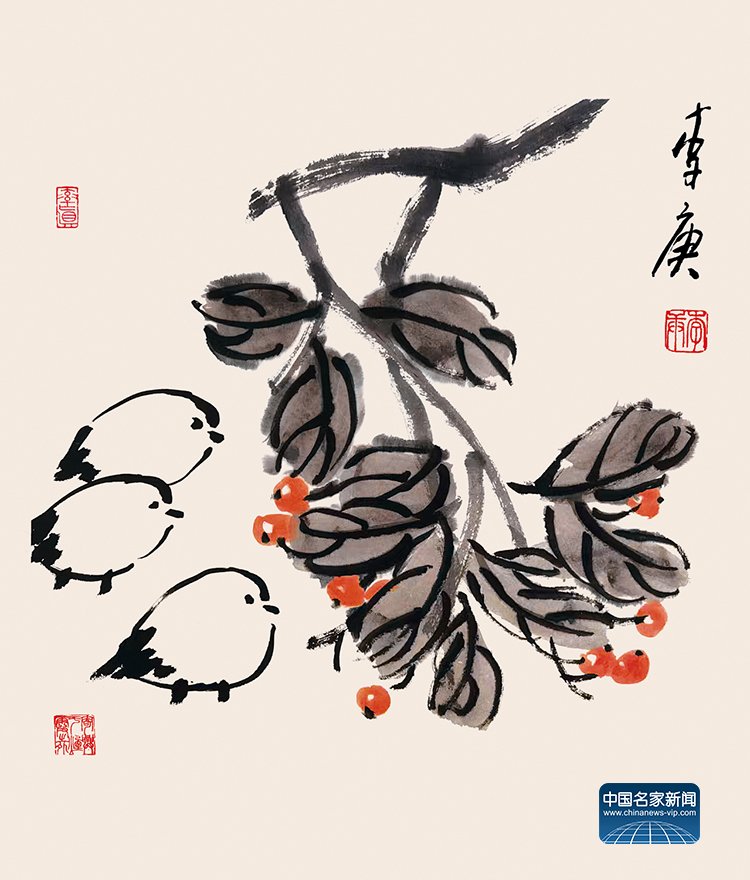 Flower-and-bird Paintings by Li Geng
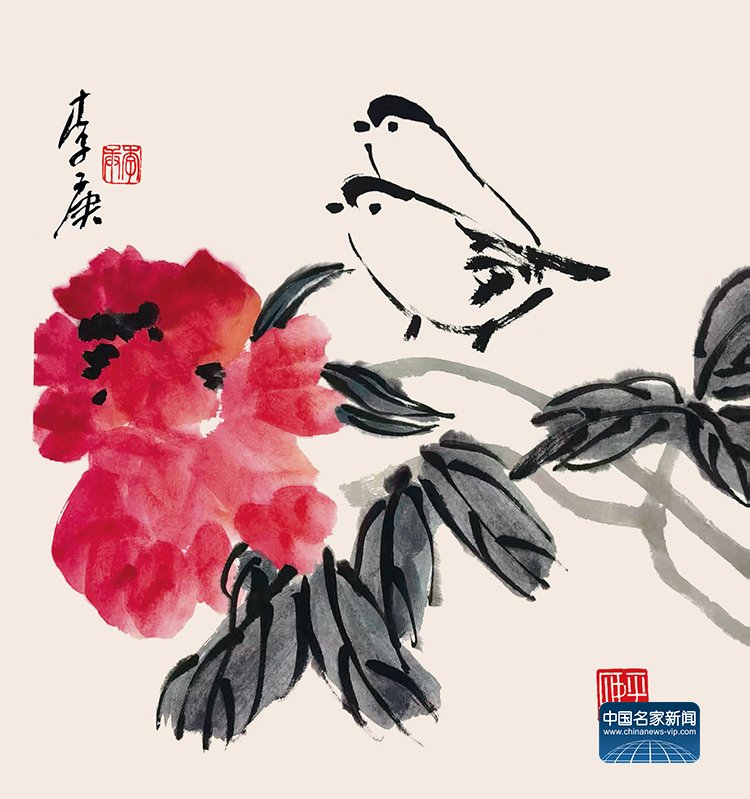 Flower-and-bird Paintings by Li Geng
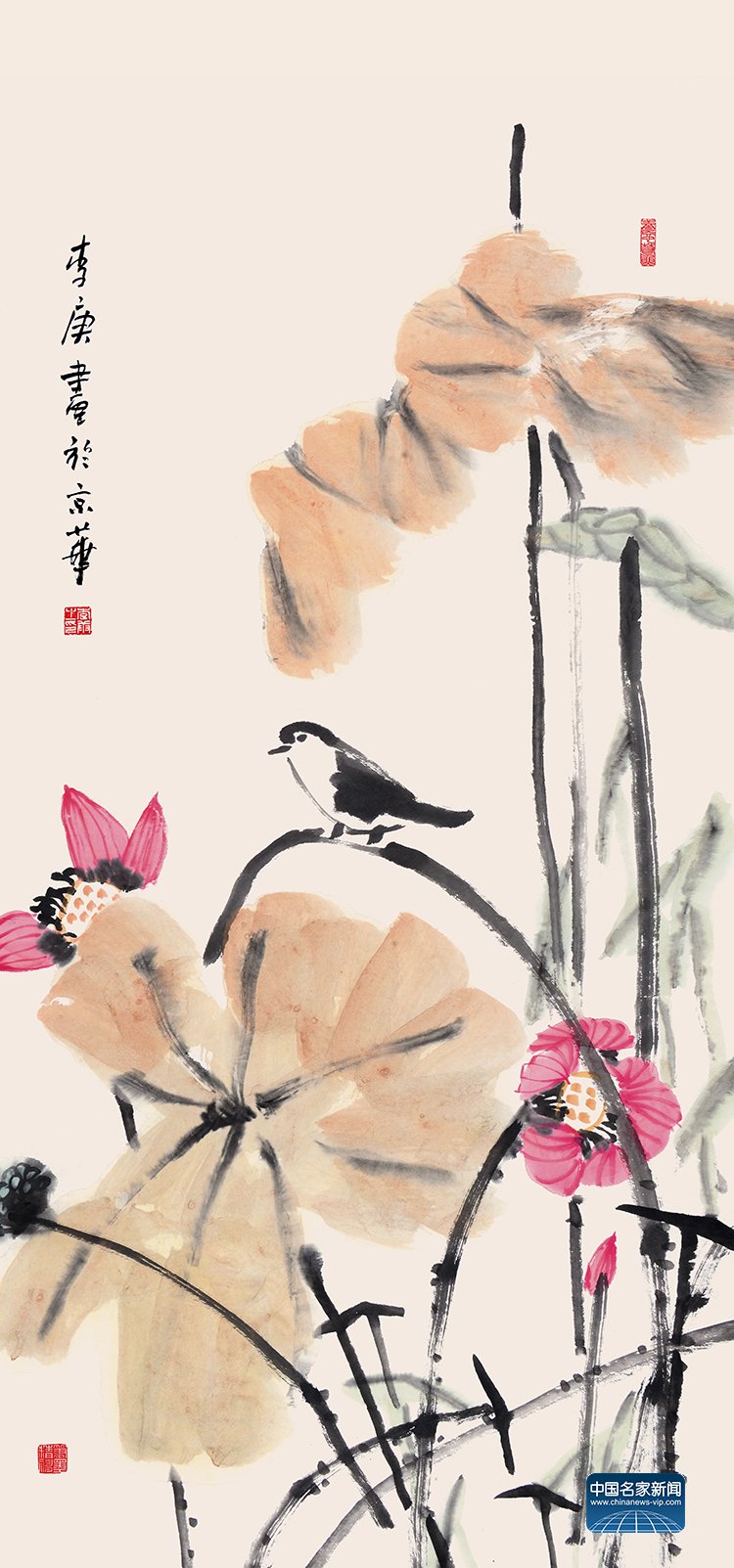 Flower-and-bird Paintings by Li Geng
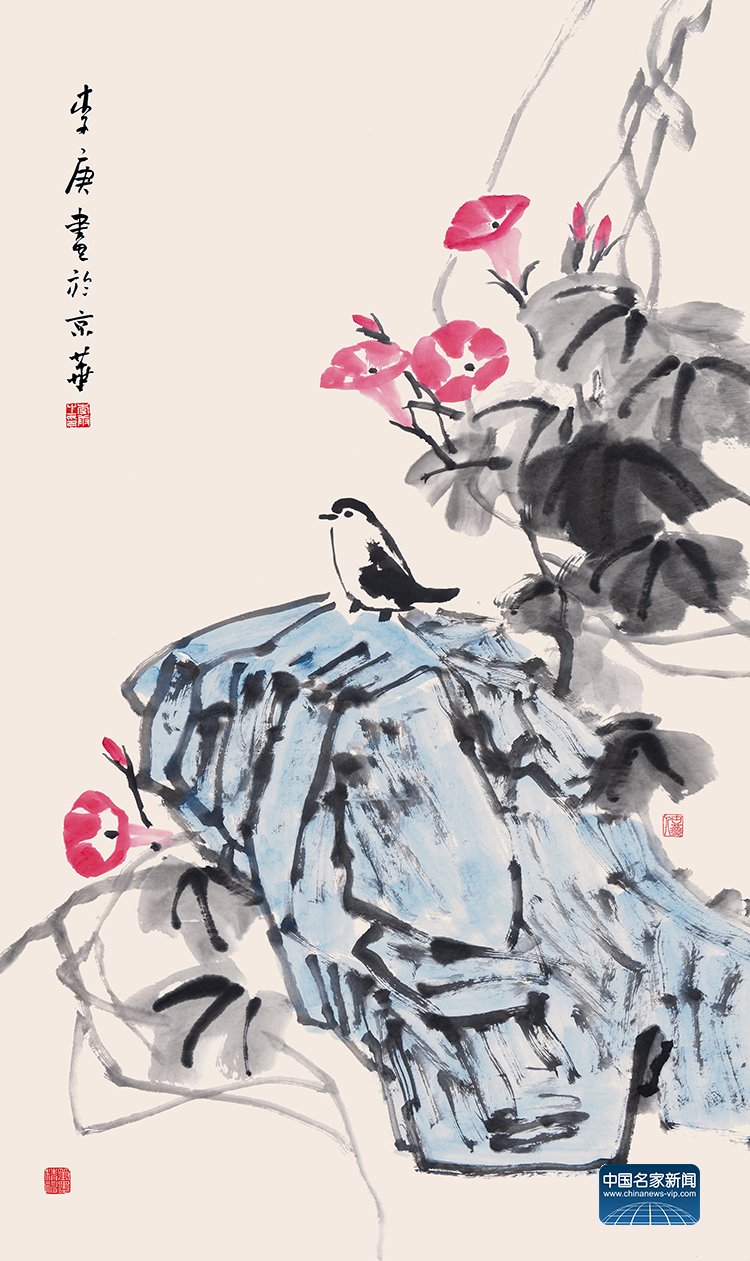 Flower-and-bird Paintings by Li Geng
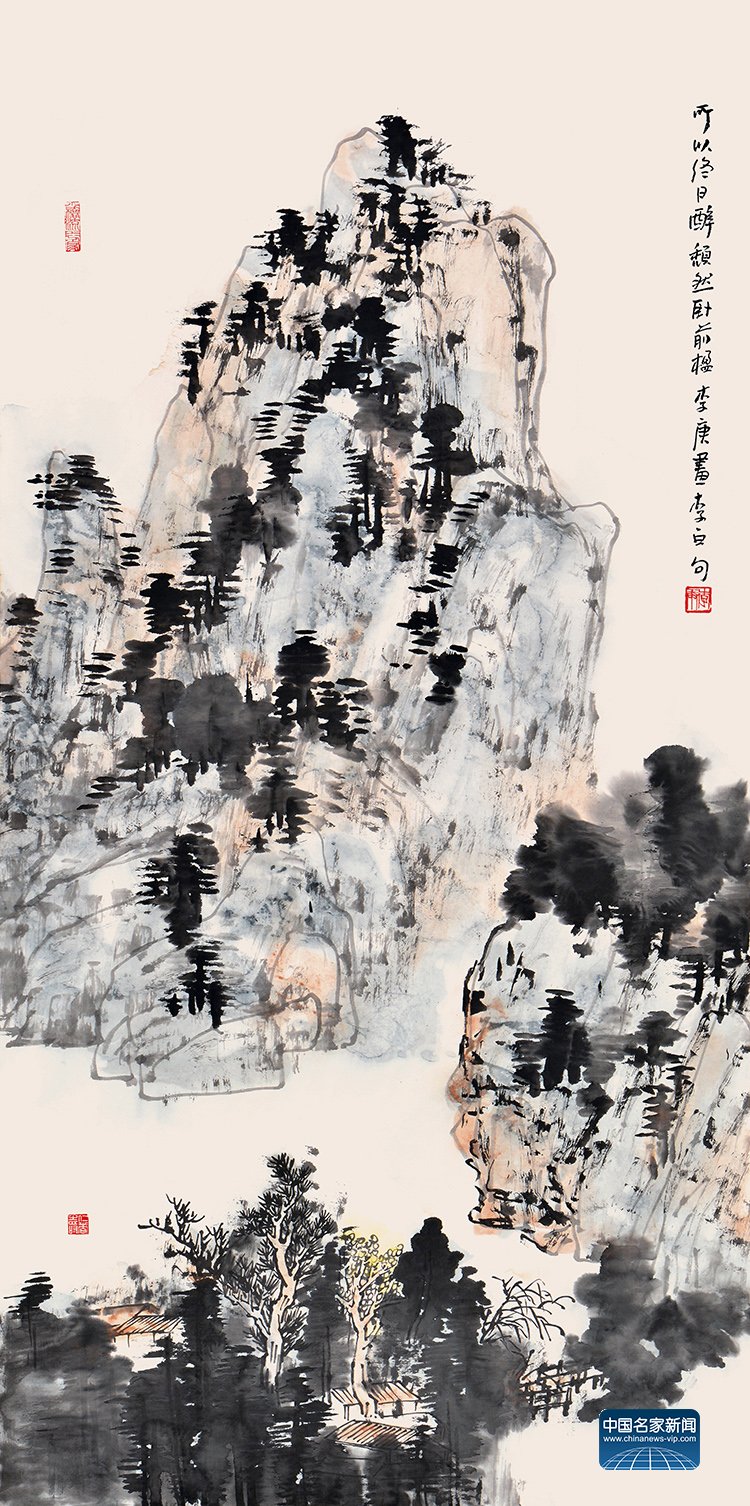 So I Drunk All Day, Lying on the Front Pillar in a Dazed State 138x69cm by Li Geng
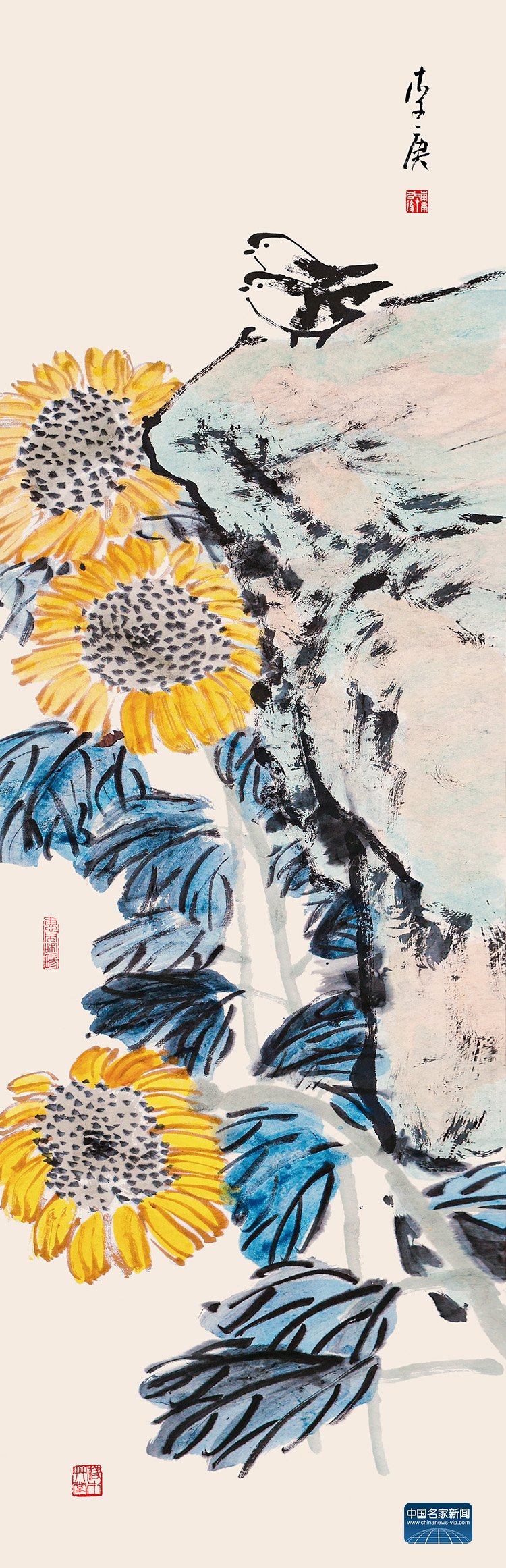 Flower-and-bird Paintings by Li Geng
(Wang Baosheng, Editor-in-Chief of Chinese Cultural Figures) The preservation and flourishing of cultural legacy require not only a solid platform but also the relentless efforts of successive generations of inheritors. As a contemporary inheritor and innovator of ink art, Li Geng fully understands the vital role of art education in cultural transmission. At the age of 62, he resolutely returned to China to serve as Executive Director of the Li Keran Painting Academy. Using the academy as a central platform, he integrated academic research and art education resources to establish a cultural framework dedicated to “preserving classics, nurturing new talents, and serving society.” He has systematically sorted out the artistic spirit of the “Li School Landscape” and carried out high-level art research projects. He has provided financial support for the training of young art educators and devoted himself to art education in remote mountainous regions. Through the Li Keran Painting Academy, Li Geng has bridged his personal artistic pursuit with cultural leadership, embodying the profound meaning of “cultivating cultural inheritors and advancing the prosperity of cultural endeavors” through hands-on practice.
Original Aspiration for the Academy: Carrying Forward the Artistic Torch, Strengthening the Foundation of Art Education
When talking about the original intention behind establishing the Li Keran Painting Academy, Li Geng once frankly stated that it was not only a continuation of his father Li Keran’s artistic spirit but also a practice of the cultural mission in the new era. Master Li Keran was not only an innovator in China’s art world but also an outstanding art educator. His artistic philosophy and painting style influenced an entire generation. The artistic pursuit of “writing the biography of the motherland’s mountains and rivers” and the spirit of “painstaking study” have become spiritual guides for countless art learners. In Li Geng’s view, inheriting his father’s artistic legacy requires not only passing down his brushwork techniques but also his artistic philosophy and patriotic sentiments. To promote the prosperity and development of Chinese ink art, a professional platform is needed to integrate resources and nurture new talents, ensuring the traditional artistic spirit is passed on to future generations.
The Li Keran Academy of Painting was officially established in 2012, when Li Geng was 62 years old. For an artist, this is an age when one might well devote oneself to creative work and enjoy the fruits of a lifelong career. Yet Li Geng chose to take on an even heavier responsibility. He positioned the academy as a “non-profit cultural institution integrating academic research, artistic creation, talent cultivation, exhibition and exchange, and public education”. Its core mission is to inherit and promote the artistic spirit of Li Keran, and to advance the academic research and innovative development of Chinese ink painting. The establishment of the academy filled the gap in professional platforms for the study and inheritance of Li Keran’s art, and also provided an important vehicle for the education and inheritance of contemporary ink art.
Under Li Geng’s leadership, the Li Keran Painting Academy has upheld the development philosophy of “upholding the legacy and pioneering innovation” from its inception. “Upholding the legacy” entails upholding the roots of China’s outstanding traditional culture, with in-depth study of Li Keran’s artistic philosophy and the essence of “Li School Landscape”. The “innovation” focuses on addressing contemporary needs through academic and educational advancements in ink art. All operations of the academy revolve around this philosophy. Whether setting academic research directions, exploring talent development models, or organizing exhibitions and exchanges, the academy strives to innovate within inheritance and sustain inheritance through innovation. Li Geng often emphasizes: “This academy belongs not to me alone. It belongs to the entire art community and to all those who love traditional Chinese ink painting. We aim to build this place into a cradle of art where classics are inherited and new talents nurtured.”
In-Depth Academic Development: Consolidating the Foundation of Research and Constructing a Theoretical System
Cultural inheritance requires not only the transmission of techniques but also the transmission of ideas. After the establishment of the Li Keran Painting Academy, Li Geng placed academic research at a prominent position. He has led a series of major research projects on Li Keran’s artistic thought and the evolution of Chinese ink painting, aiming to solidify the theoretical foundation for ink art inheritance and establish a systematic academic framework. This initiative precisely aligns with the contemporary requirement of “strengthening the research and interpretation of excellent traditional Chinese culture”, providing solid theoretical support for the inheritance and development of ink art.
Li Geng personally spearheaded the formation of an academic research team, bringing together renowned art theorists and painters from China and abroad to conduct core research projects such as “Li Keran’s Artistic Thought” and “The Li School Landscape Technique System”. Team members meticulously analyzed Li Keran’s creative journey, artistic sketches, and teaching notes, systematically summarizing the brushwork techniques, compositional concepts, and artistic conception of “Li School Landscape”. They also explored the contemporary significance of his artistic philosophy, including the “spirit of painstaking study” and the “vision of documenting the nation’s landscapes”. Through years of research, the academy has published a series of academic works, including The Complete Works of Li Keran’s Art and Li Keran’s Painting Theory Collection, and organized high-level academic events such as the “Li Keran Artistic Thought Symposium” and “Li School Landscape Academic Forum”, ensuring the systematic organization and inheritance of Li Keran’s artistic spirit.
In addition to focusing on the study of Li Keran’s art, Li Geng also led the academy to expand its academic research horizons, extending the scope of research to the entire development trajectory and contemporary innovation of Chinese ink art. The academy successively carried out research projects such as “The Artistic Value and Contemporary Inheritance of the Jieziyuan Painting Manual” and “The Modern Transformation of Chinese Ink Art”, organizing academic teams to conduct in-depth investigations at art academies and museums both domestically and internationally, collecting and organizing relevant materials, and producing a series of research outcomes with significant academic value. Among them, the study on the Jieziyuan Painting Manual not only delved into the artistic essence of this traditional painting textbook but also explored its application value in contemporary art education, providing an academic references for the creative transformation of traditional painting textbooks.
To promote academic exchange and intellectual collision, the Li Keran Painting Academy regularly holds international academic symposiums, inviting art theorists and painters from Japan, Germany, France, and other countries to participate in discussions on themes such as “the exchange and integration of Eastern and Western ink art” and “the development trends of contemporary ink art”. Leveraging his overseas study and teaching experience, Li Geng actively builds bridges for academic exchanges between China and the world, integrating the academic research of China’s ink art into the global artistic context. This open and inclusive academic attitude not only enriches the academic research achievements of the academy but also enhances the academic influence of China’s ink art in the international art community.
Public Welfare Education: Devotion to Grassroots Education and Cultivating New Generation of Inheritors
“Art education should not only cultivate professional artists but also bring the beauty of art into every household, with special attention to the artistic education needs of grassroots communities and youth.” This is the educational philosophy Li Geng has always upheld. Under his leadership, the Li Keran Painting Academy has made public welfare education a core mission, primarily. Using funds mainly from art auctions, it has launched a series of public welfare programs to support training for young art teachers and art education in mountainous areas. In this way, it fulfills the contemporary requirement of “culture for the people, culture benefiting the people,” and nurturing the seeds of Chinese ink art to take root and flourish at the grassroots level.
Young art educators are vital to preserving artistic legacy. Grassroots young art teachers, in particular, directly determine the quality of art education for the general public. To address their professional gaps and limited training opportunities, the Li Keran Painting Academy launched the “Young Art Teachers Training Program”. Each year, the program selects young grassroots art teachers nationwide and arranges intensive training sessions led by the academy’s renowned painters and professors. The curriculum covers traditional ink techniques, creative concepts, and teaching methodologies. Through a “theory + practice + discussion” model, the program equips these teachers with solid professional skills while helping them update educational philosophies and enhance teaching effectiveness.
Over the years, the “Youth Art Teacher Training Program” has trained thousands of young art teachers at the grassroots level. Upon returning to their posts, these educators have applied their acquired knowledge to teaching practices, significantly elevating local art education standards. Ms. Wang, an art teacher from a remote mountainous area, shared her heartfelt reflections after the training: “In the past, I could only teach children painting based on my limited knowledge. Through the Li Keran Painting Academy’s training, I not only mastered more professional ink painting techniques but also learned how to guide children in appreciating the beauty of traditional art. Now, more and more students in our school love ink painting. This is the power of art inheritance.”
Beyond training young art teachers, Li Geng has spearheaded the art academy’s commitment to art education in mountainous regions. He recognizes that children in these areas face limited access to art education due to resource constraints, yet such education is vital for nurturing their aesthetic sensibilities, creativity, and cultural confidence. To address this, the academy launched the “Art into Schools ‡ Mountain Art Education Support Program”, donating painting tools and educational materials to schools in remote areas while organizing artists to conduct free art classes and lectures in these communities.
Inspired by Li Geng, numerous artists from painting academies have actively participated in art education initiatives in remote mountainous regions. They give up their spare time, traversing rugged terrains to reach these isolated areas, where they taught children the fundamentals of ink art through engaging and interactive methods, guiding them in hands-on creation of ink paintings. In the free flow of brush and ink, the children experienced the allure of traditional art and build confidence and creativity through artistic creation. Li Geng remarked, “Every child has the right to pursue beauty and the potential to carry forward culture. Through these public welfare activities, we hope to enable children in mountainous areas to appreciate the charm of China’s outstanding traditional culture, and plant an artistic seed in their hearts—one that may one day grow into a towering tree.”
Rooted in the Academy, Inspired by Compassion: The Mission of Art Inheritance
As the director of Li Keran Painting Academy, Li Geng has dedicated himself to art education, profoundly embodying the cultural responsibility of artists in the new era. Through the academy as a platform, he seamlessly integrates his artistic aspirations with the contemporary demands of cultural legacy. With decades of unwavering dedication, he has laid a solid foundation for the enduring legacy of traditional ink art.
Li Geng’s practice has conclusively demonstrated that robust institutional frameworks are essential for cultural preservation. The establishment of the Li Keran Painting Academy has not only provided a professional platform for inheriting Li Keran’s artistic legacy, but also built an important bridge for academic research and educational inheritance in contemporary ink art. Through the academy’s systematic work, the core essence of fine traditional Chinese culture has been deeply explored and interpreted, and the techniques and ideas of traditional ink painting have been effectively inherited and promoted. This platform-based inheritance model offers valuable insights for the preservation and development of other traditional art forms.
At the same time, Li Geng’s practice has also shown that advancing cultural inheritance requires the original aspiration of “culture for the people, culture benefiting the people.” He has made public welfare education a core mission of the art academy, focusing on grassroots art education needs. By funding training for young art teachers and supporting art education in mountainous areas, he has brought art education to the grassroots level, allowing China’s excellent traditional culture to benefit more people. This inclusive cultural inheritance concept not only enhances the cultural literacy and aesthetic abilities of grassroots communities but also cultivates a broad popular base for cultural preservation, enabling China’s excellent traditional culture to flourish anew at the grassroots level.
From an individual artist to a cultural institution, Li Geng has achieved a profound transformation from “art creator” to “cultural inheritor”. Through the academy’s platform, he has carried forward the artistic spirit of the “Li School Landscape” and spread the essence of Chinese ink painting. Guided by his philanthropic vision, he brings artistic beauty to grassroots communities, embedding cultural roots deeply into the hearts of the people. Under Li Geng’s leadership, the Li Keran Art Academy has become a pivotal platform for the inheritance and advancement of contemporary ink art, making significant contributions to the creative transformation and innovative development of China’s outstanding traditional culture.
“Cultural confidence is the most fundamental, extensive, and profound form of self-assurance.” Through nurturing new generations of cultural inheritors and strengthening the foundations of cultural legacy, Li Geng’s artistic education practice has consistently reinforced people’s sense of identity and confidence in China’s outstanding traditional culture. In the new era, under Li Geng’s leadership, the Li Keran Painting Academy continues to deepen academic research, advance public welfare education, and promote exchanges and collaborations. It contributes a steady stream of artistic energy to fulfilling new cultural missions and building a modern Chinese civilization. Li Geng’s cultural commitment also sets an example for more art practitioners. Only by integrating personal artistic pursuits into the broader context of national cultural development can artworks gain warmth and depth, and enable fine traditional Chinese culture to be passed on and thrive in the new era.
(Editors: Liu Sheng, Zhang Yan)