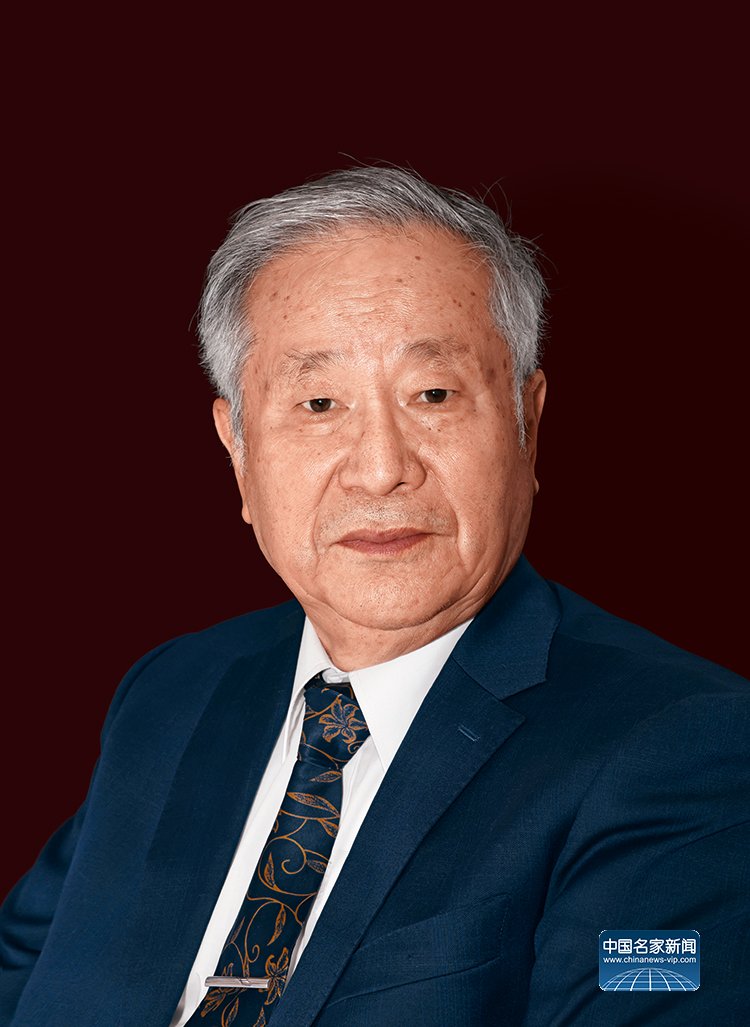
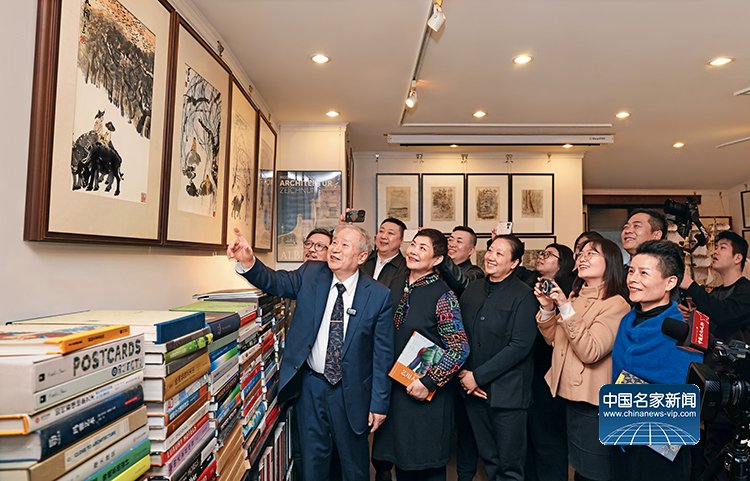
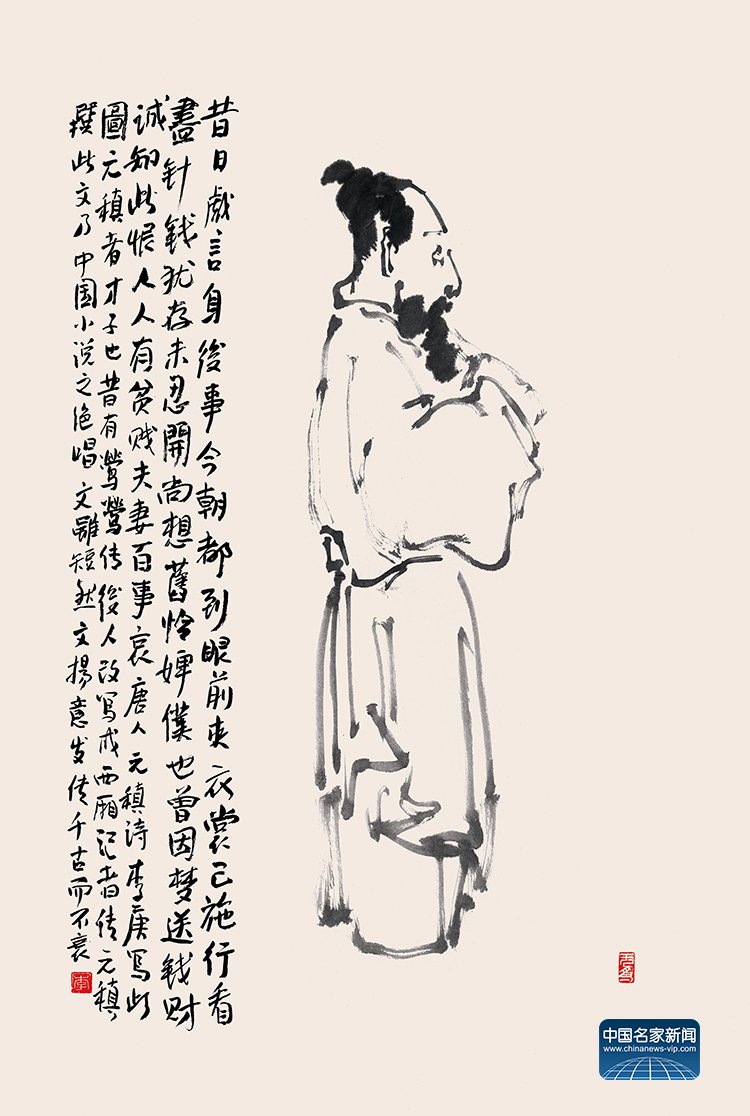
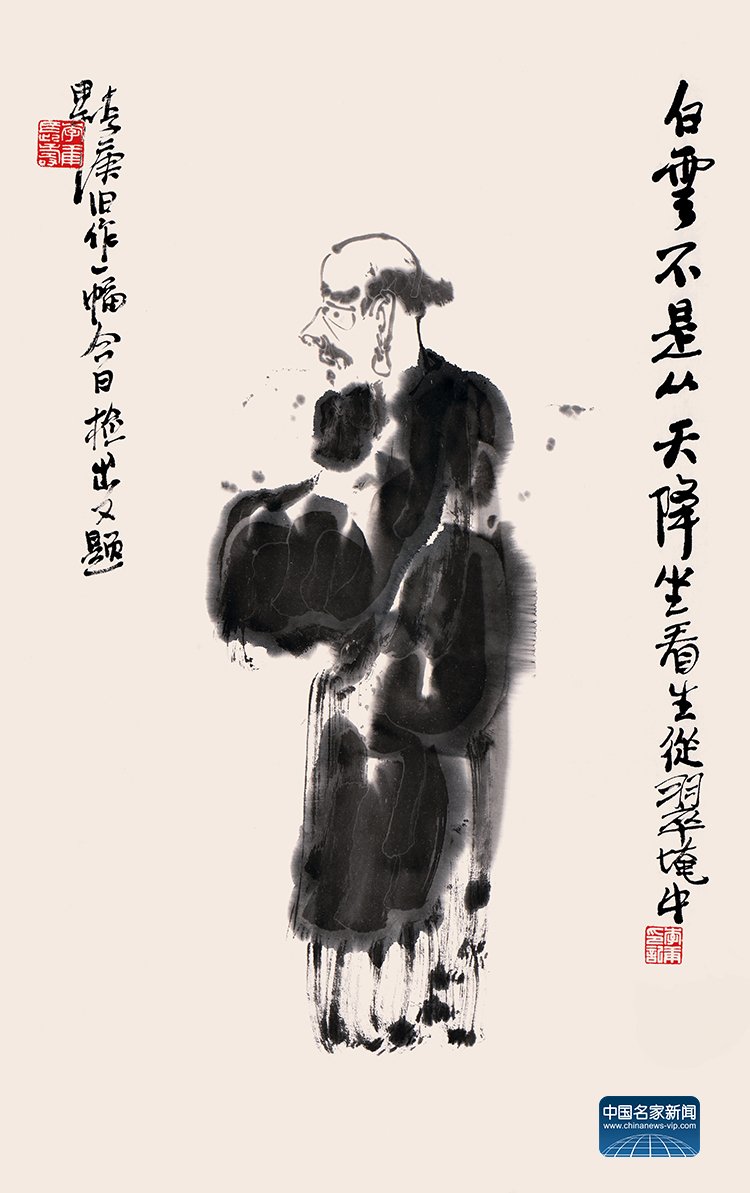
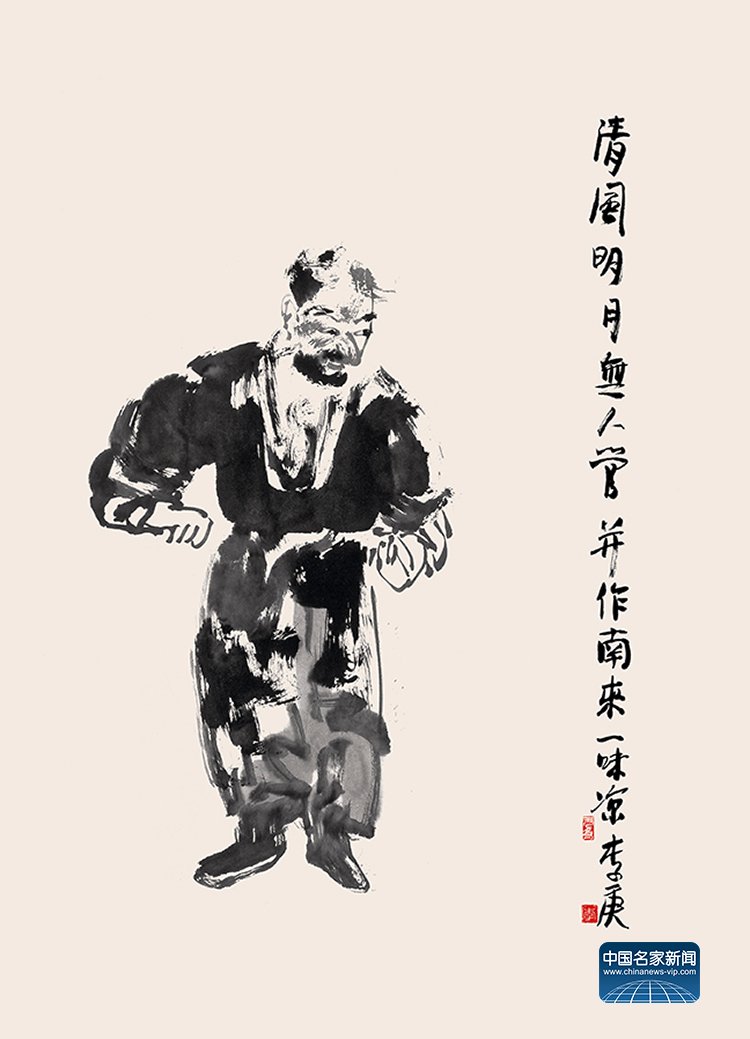
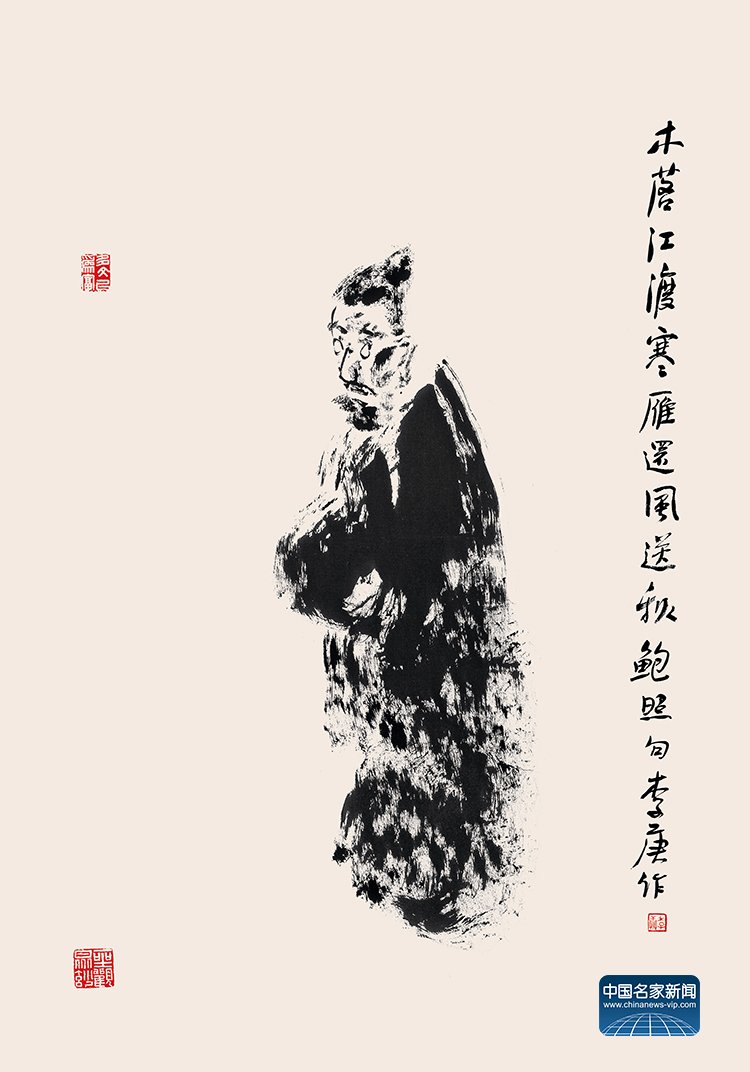
(Wang Baosheng, Editor-in-Chief of Chinese Cultural Figures) “Be a member of the Painstaking School, never let past awards breed complacency”. The admonition from his father Li Keran became the guiding principle of Li Geng’s artistic journey. He rose to fame at a young age: winning a prize in India at six, a global gold medal at eight, and an honor in Poland at thirteen. Yet he never lost himself in praise, thanks to his father’s sober advice: “Too many awards in childhood do no good. One must strive and work hard.”
This philosophy accompanied him abroad, becoming the guiding principle of his artistic exploration. During his thirty-plus years in Japan, he shed the youthful glamour and pursued systematic study of global art history with humble dedication. Simultaneously, he devoted himself to promoting ink painting—compiling teaching materials, reconstructing ink painting curricula, and organizing dozens of exhibitions. Each achievement was the result of daily meticulous work. Even after receiving Japan’s highest cultural honor, the Blue Ribbon Medal, he remained unassuming, storing the medal in a warehouse and maintaining his focus on art itself.
Li Geng candidly stated that the core of his achievements in overseas cultural exchanges lies in his simple philosophy that diligence is fundamental and time must not be wasted. Rather than absorbing foreign art blindly, he exercises judgment, analysis, and integration through diligent study and deep reflection. In this way, he has preserved the roots of Chinese ink painting while broadening his artistic vision. His steadfast adherence to the “painstaking school” has enabled him to transcend the barriers between ancient and modern, Chinese and Western art, and has further fulfilled his contemporary value as a cultural ambassador.
(Editors: Liu Sheng, Zhang Yan)