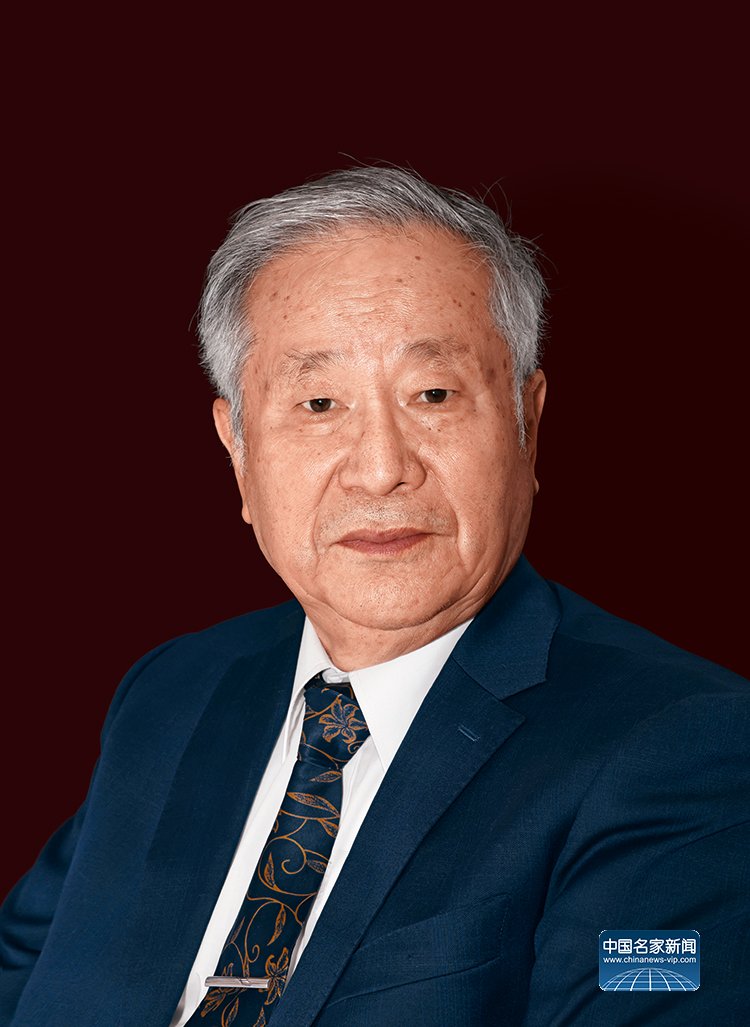
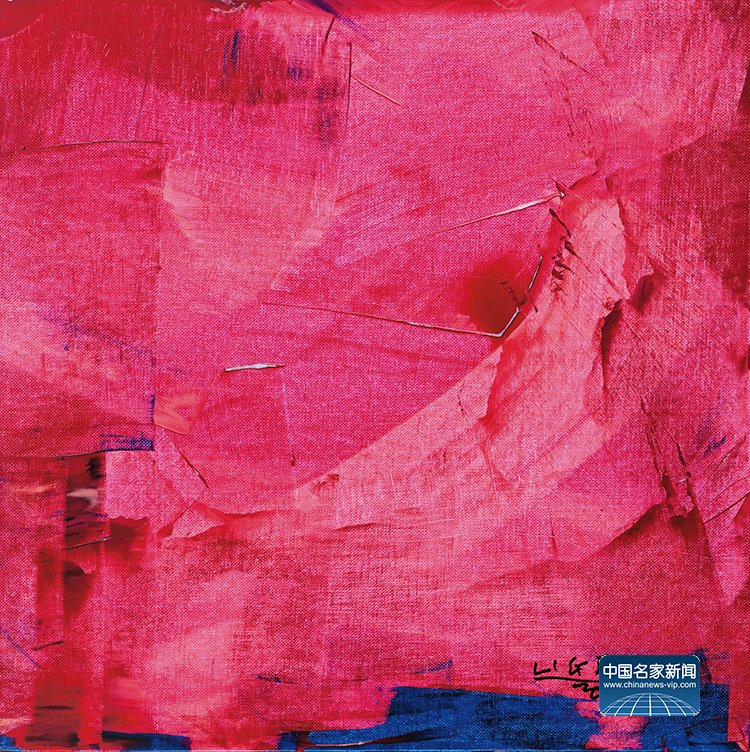
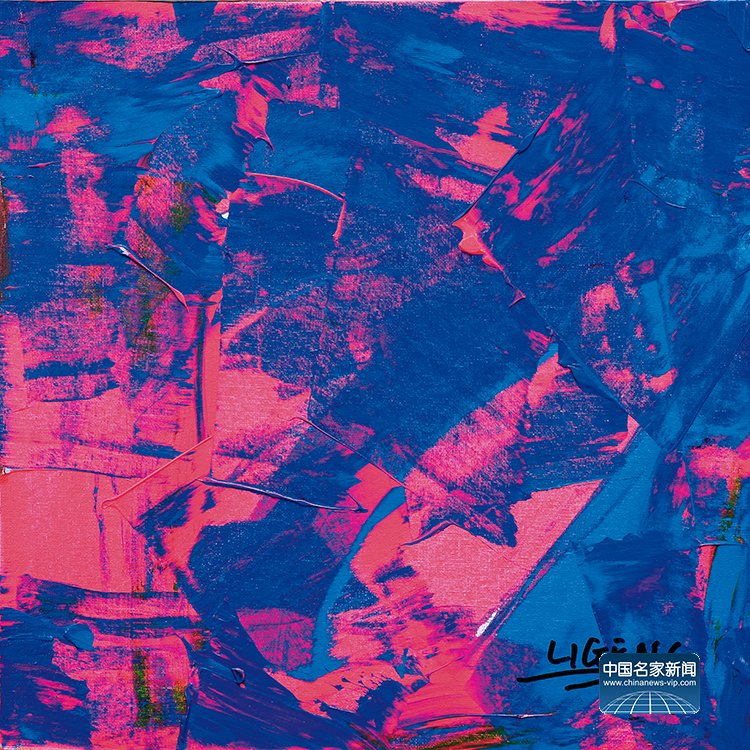
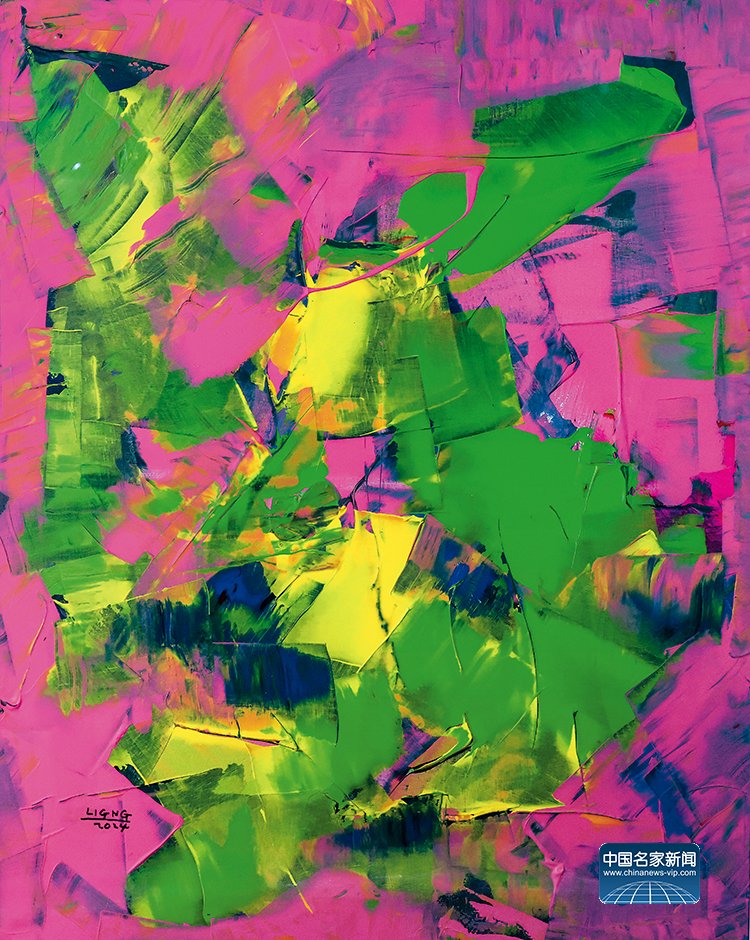
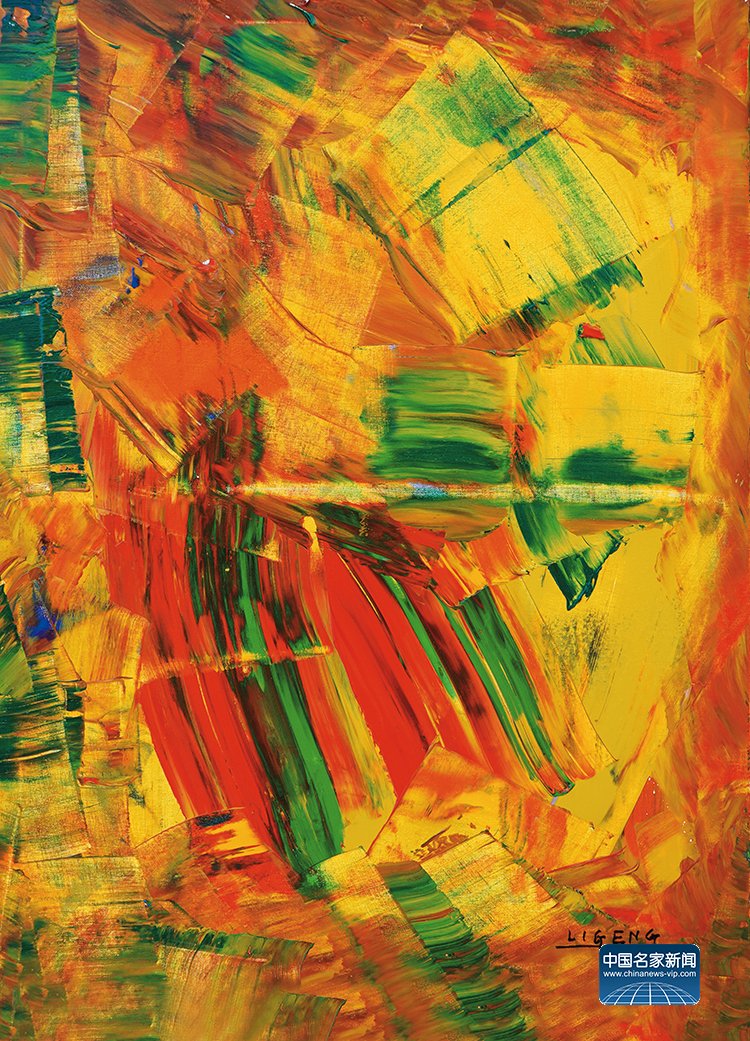
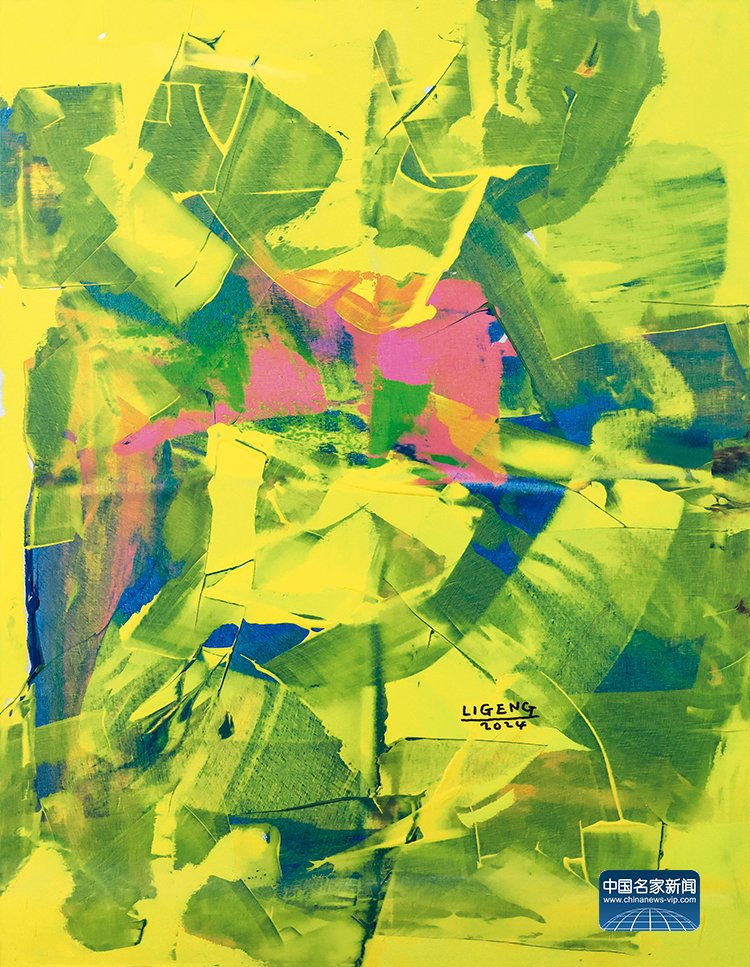
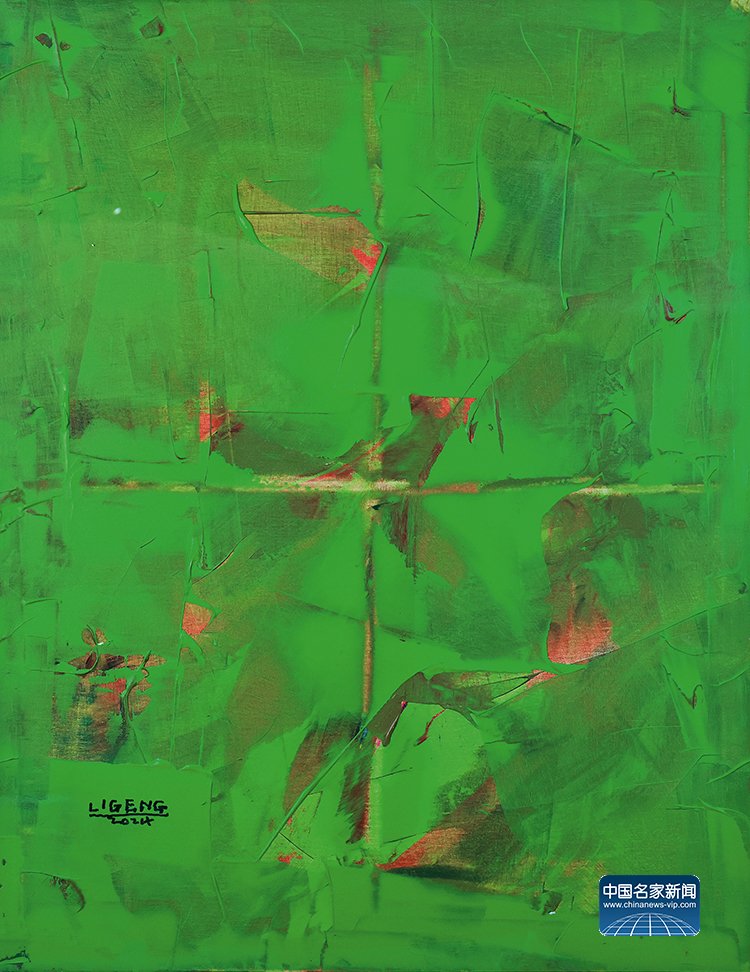
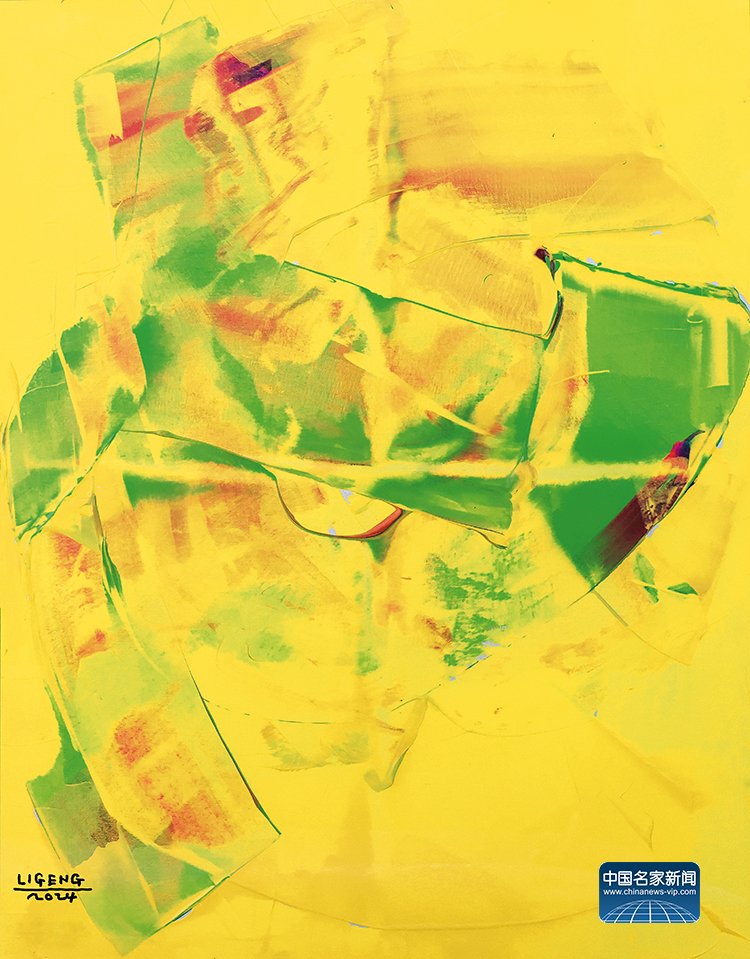
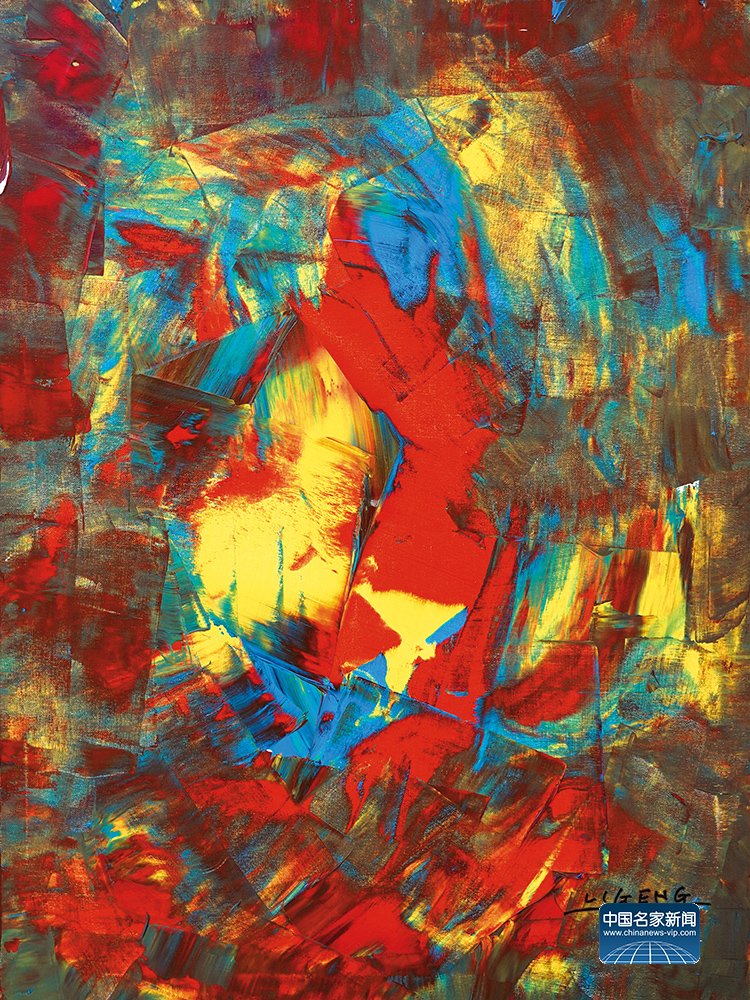
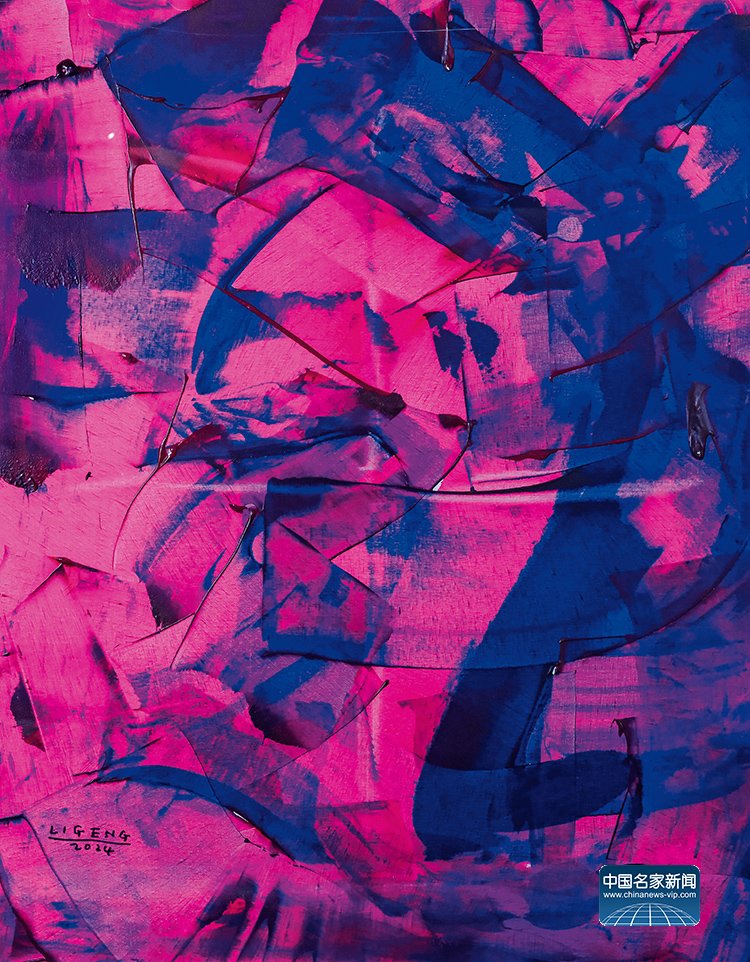
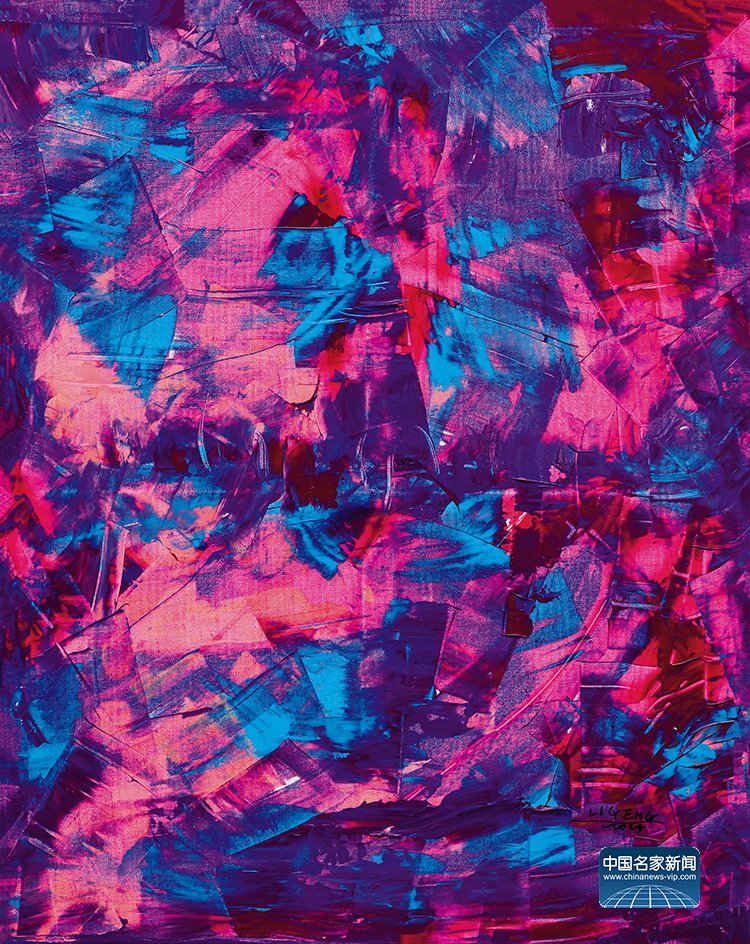
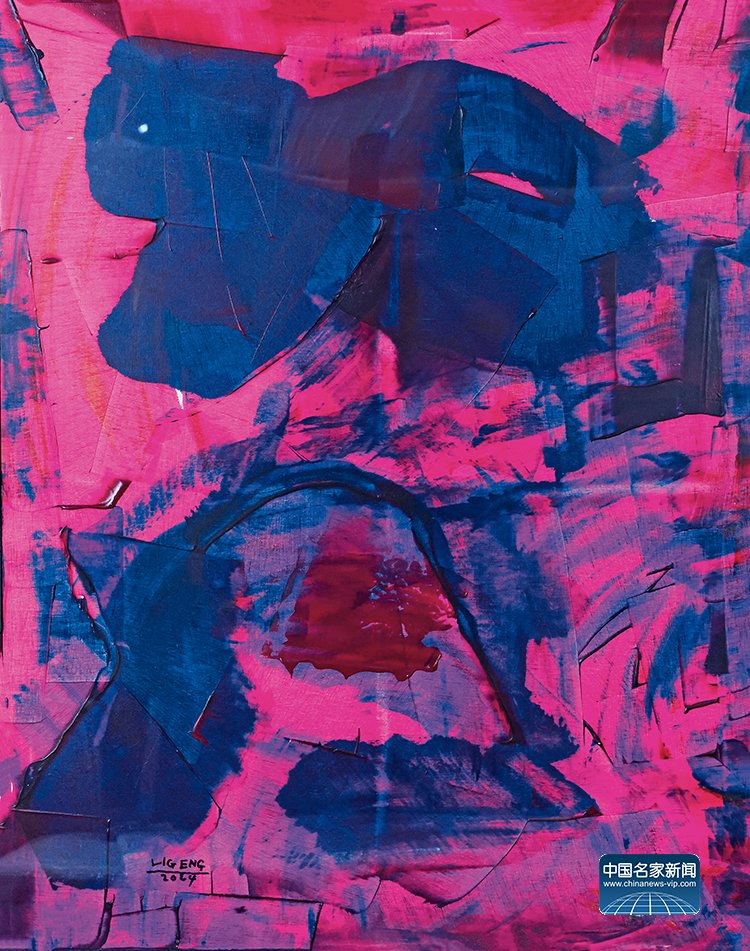
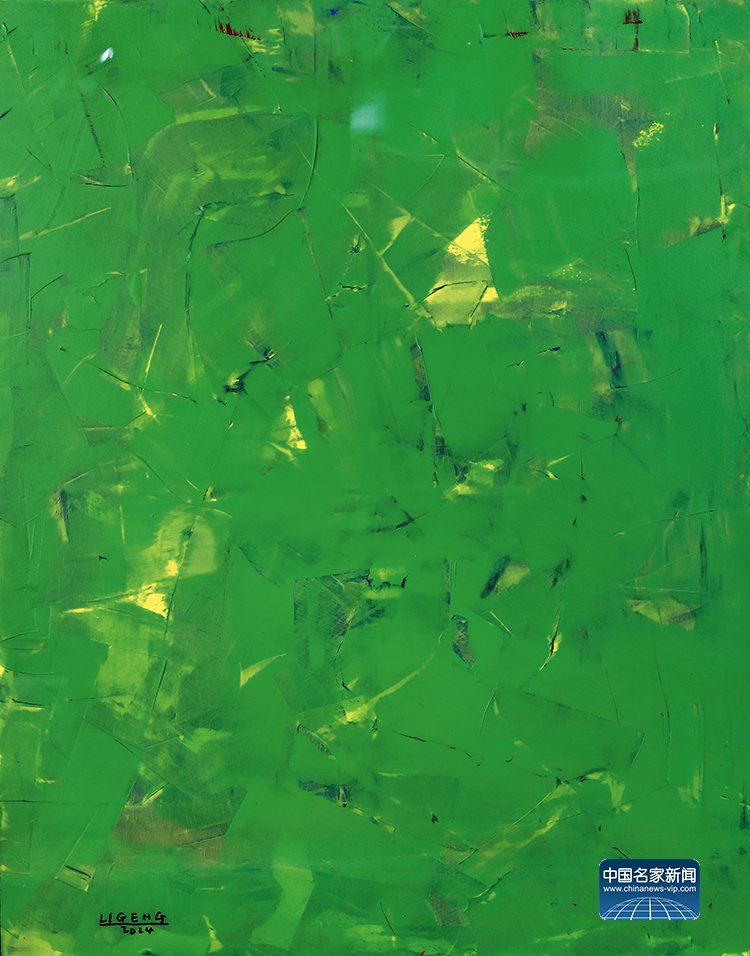
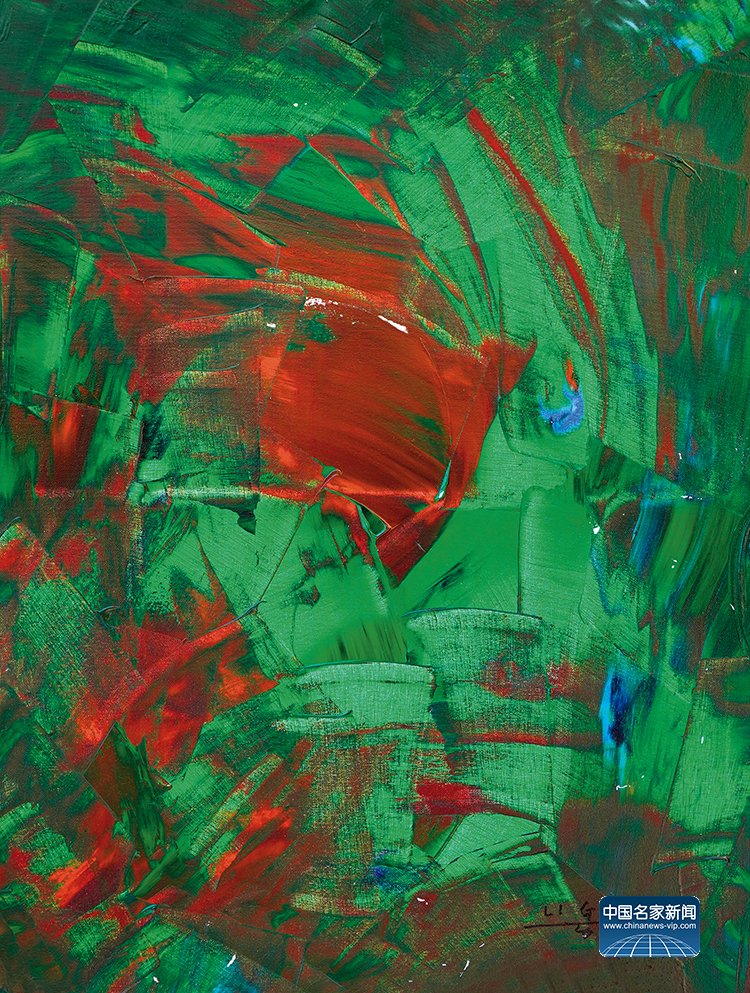
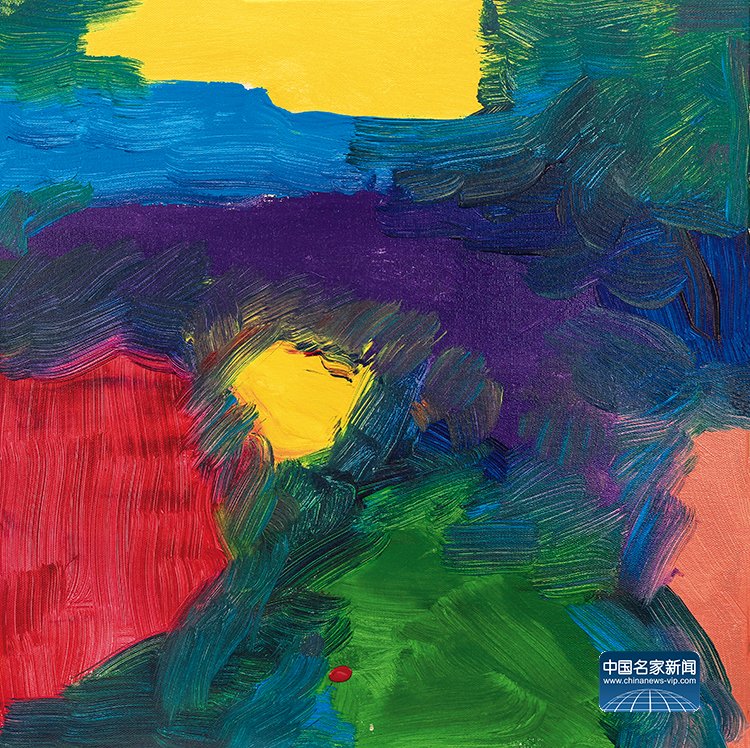
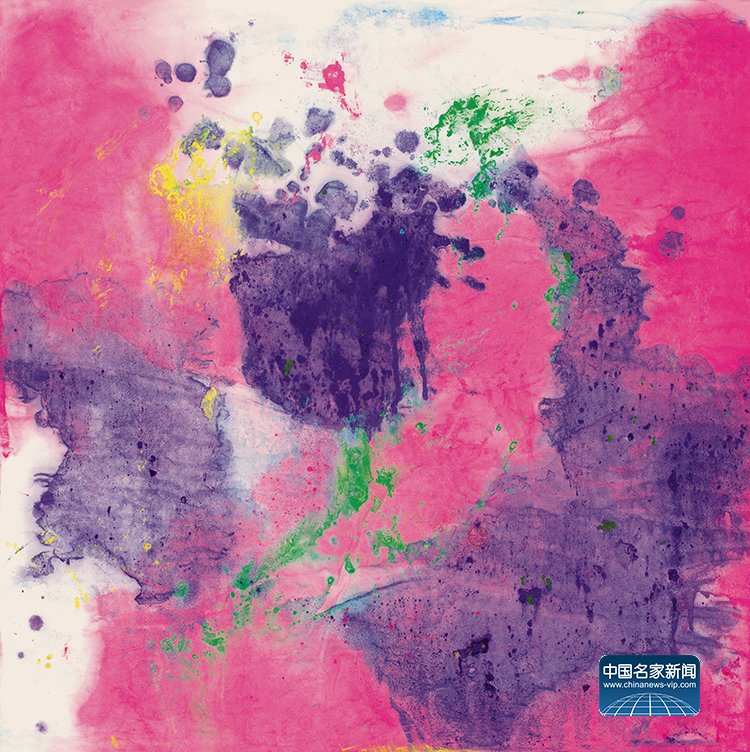
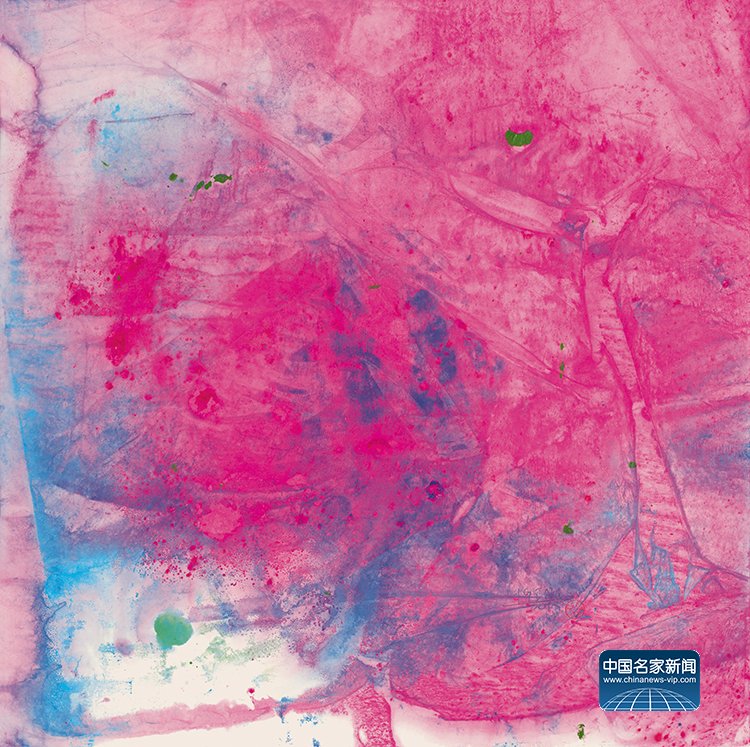
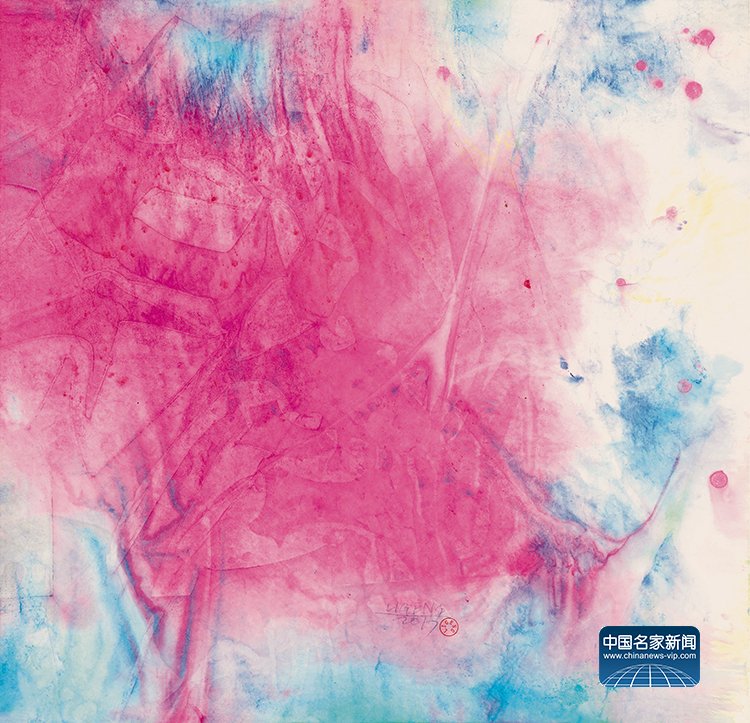
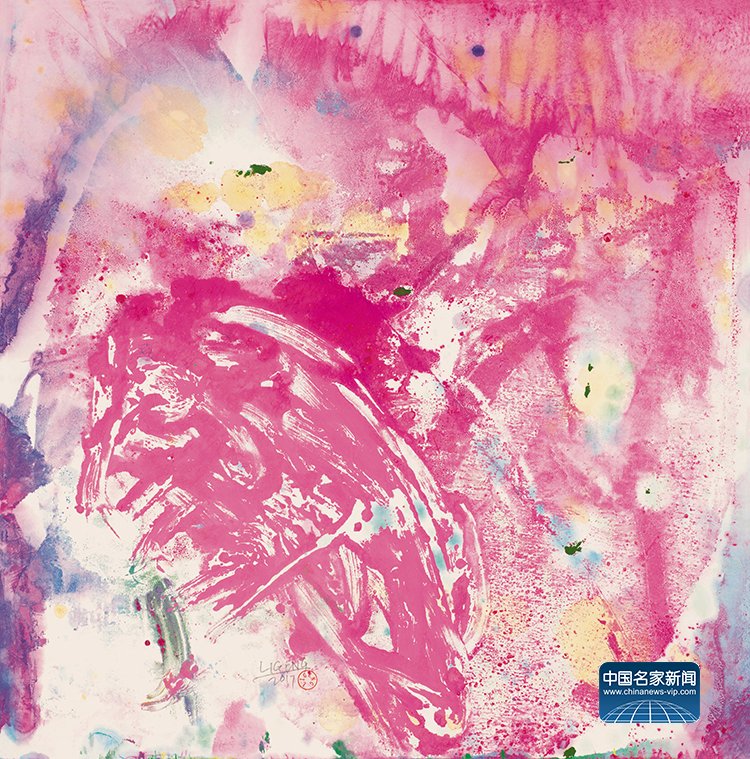
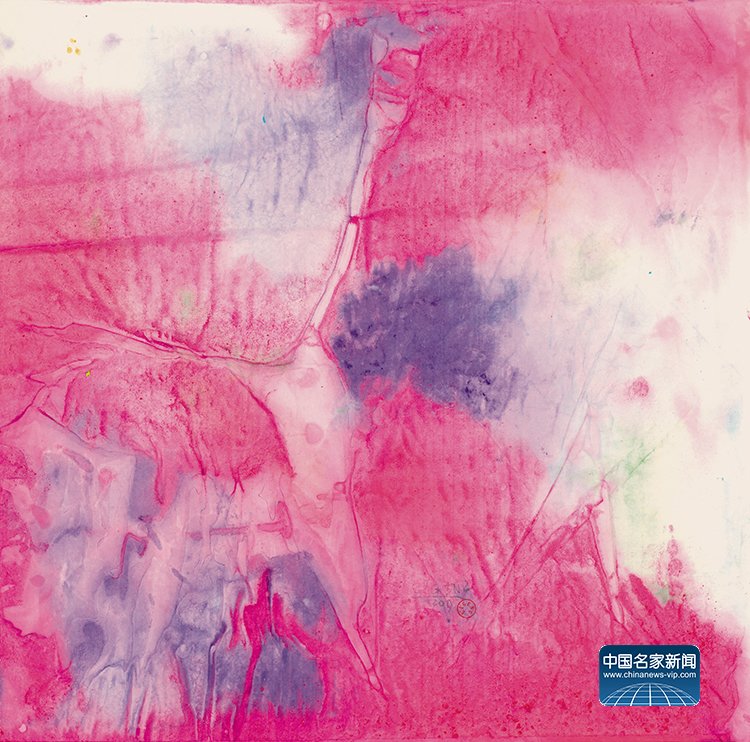
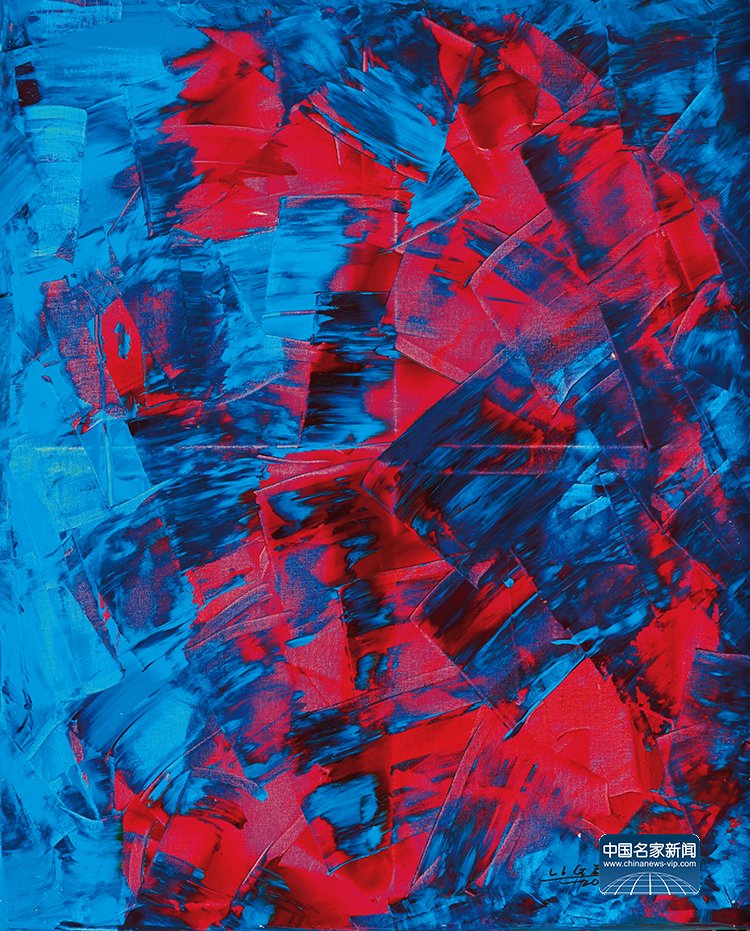
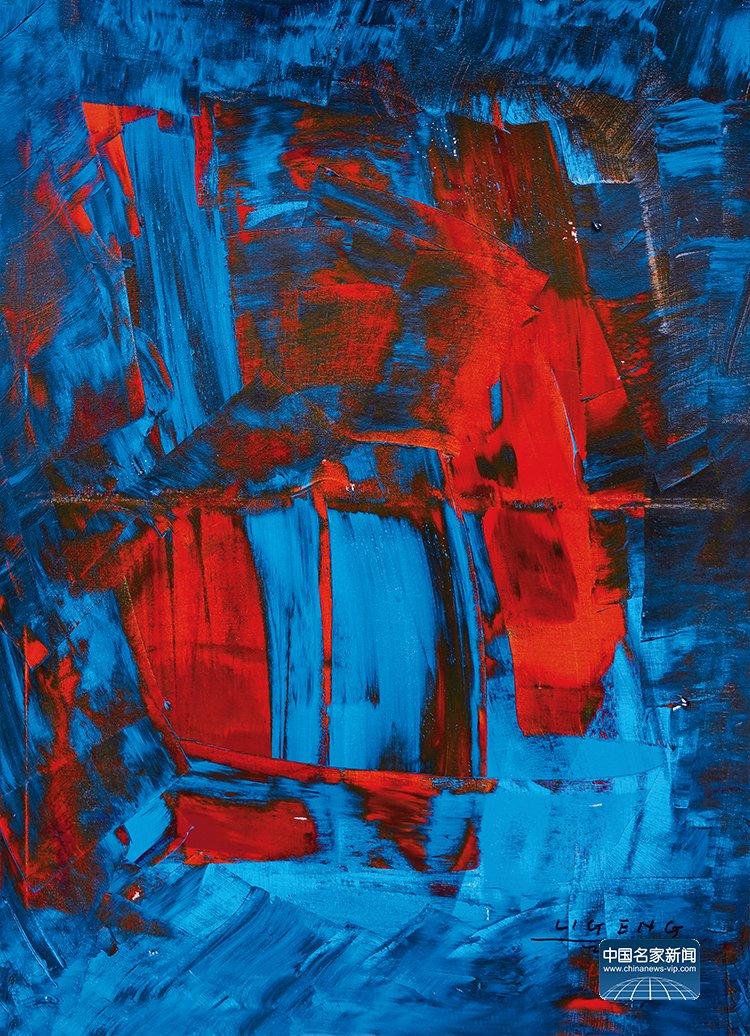
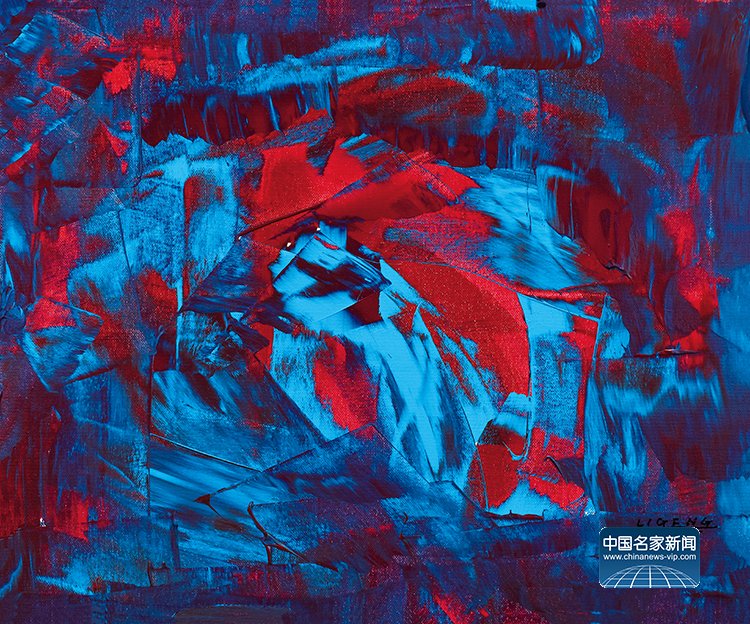
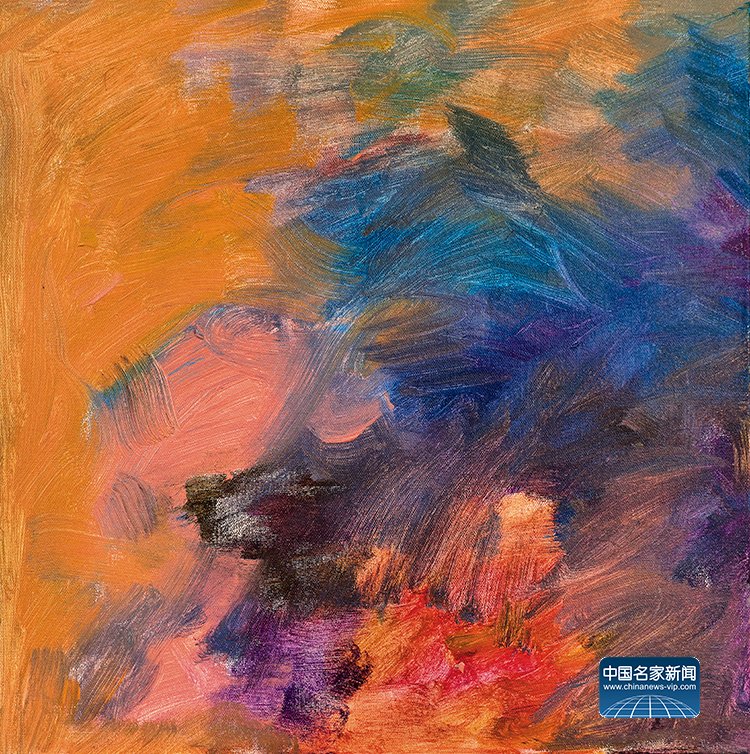
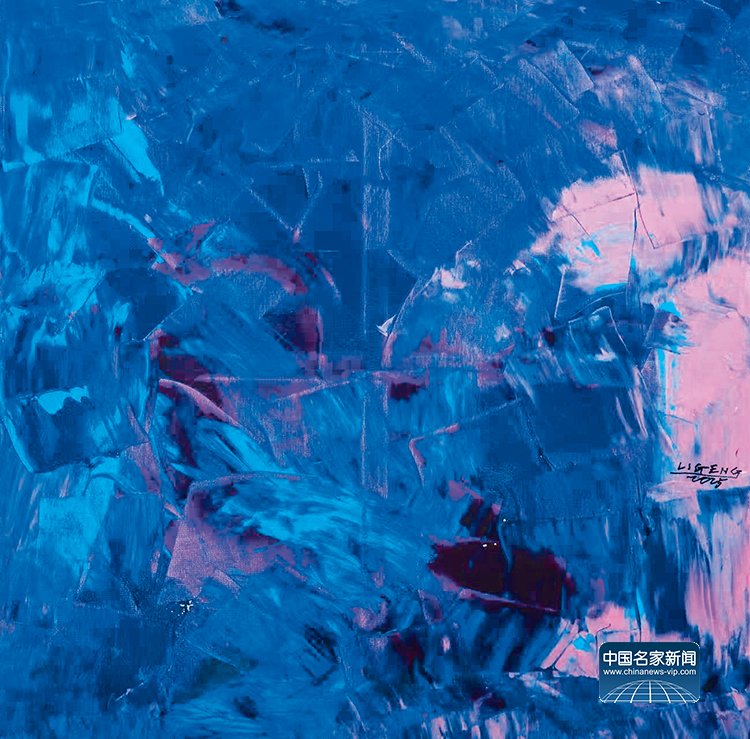
 Folding Time 100cmx100cm 2025 by Li Geng
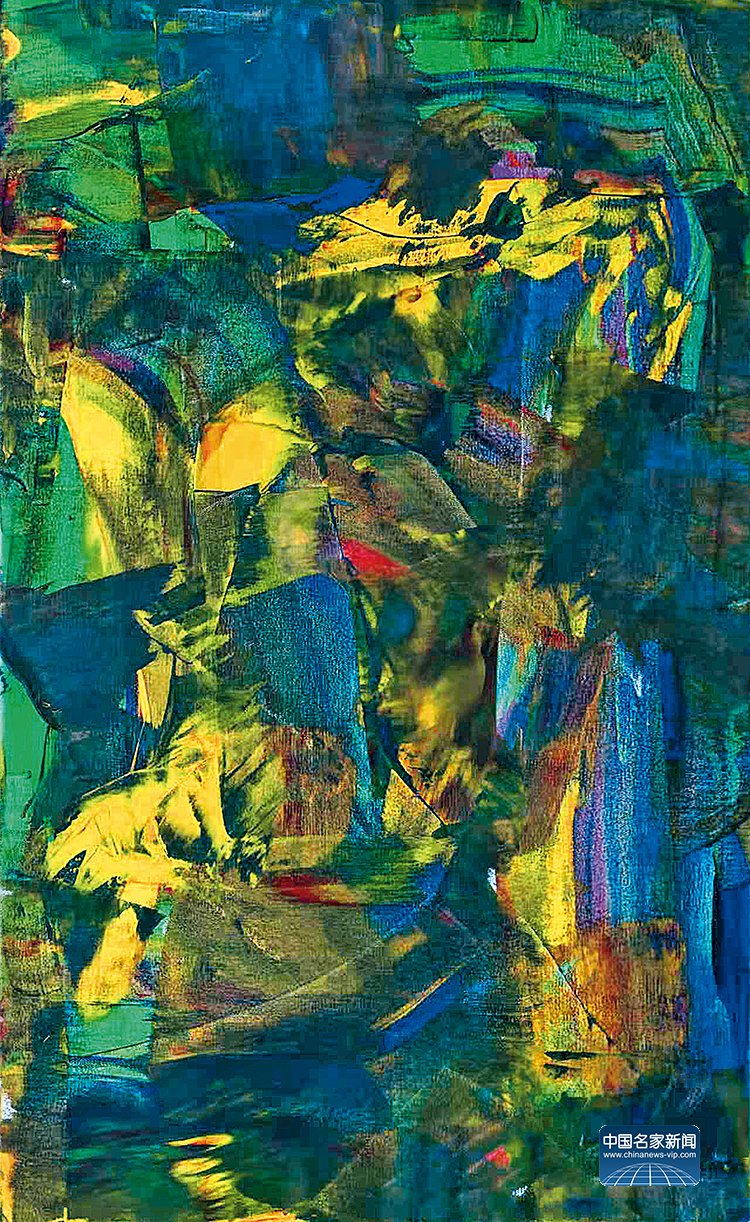 Folding Time 60cmx100cm 2024 by Li Geng
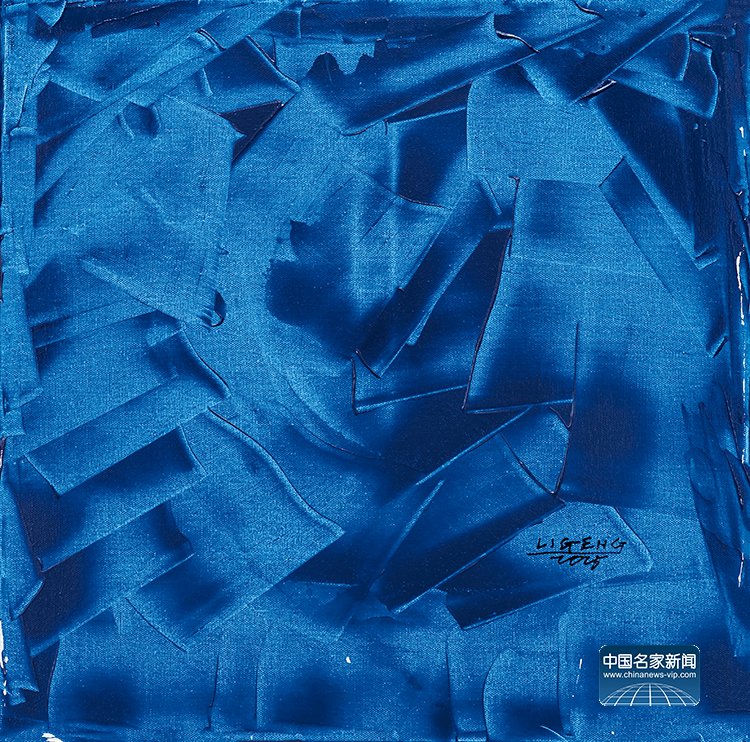 Folding Time 50cmx50cm 2025 by Li Geng
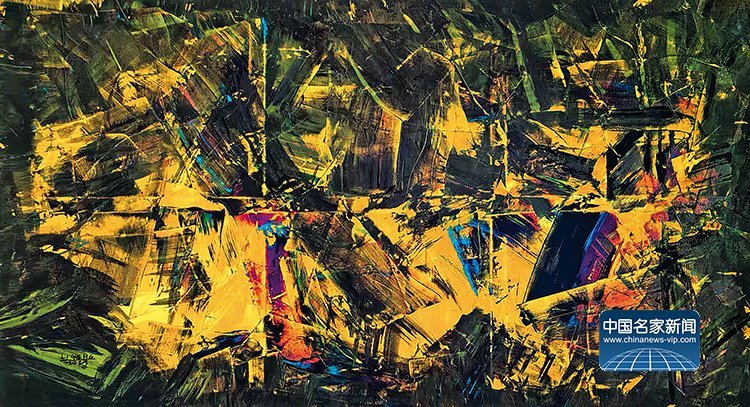 Folding Time 100cmx220cm 2023 by Li Geng
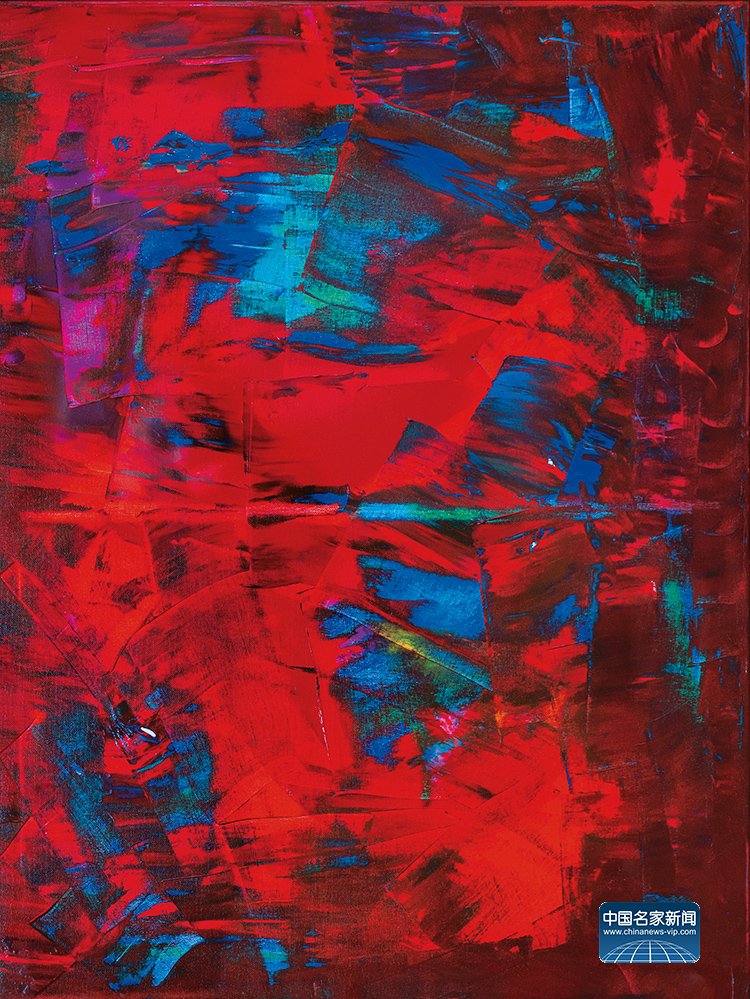 Folding Time 60cmx80cm 2024 by Li Geng
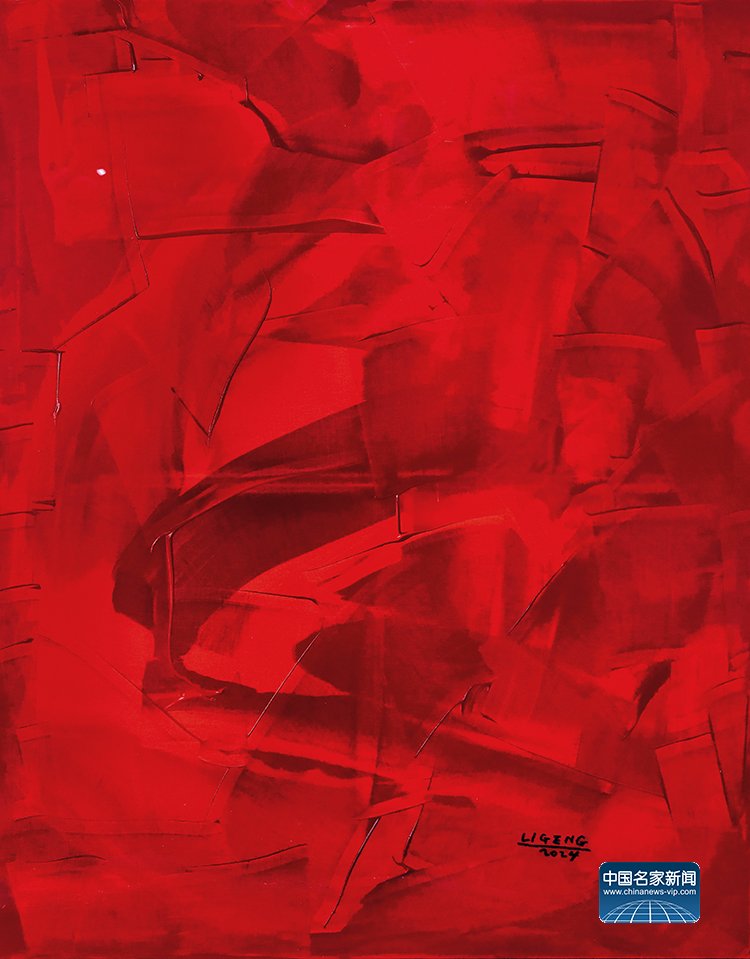 Folding Time 80cmx100cm 2024 by Li Geng
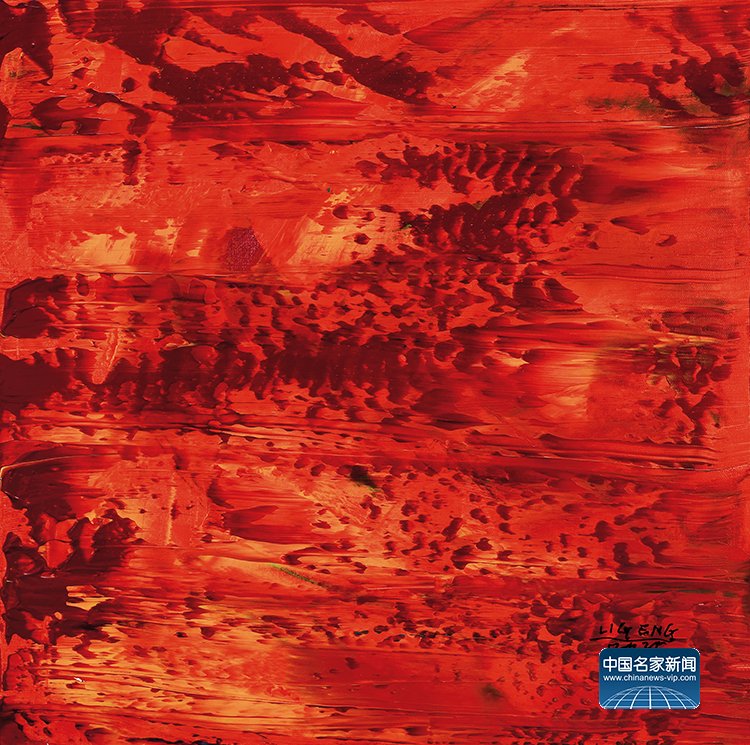 Folding Time 50cmx50cm 2025 by Li Geng
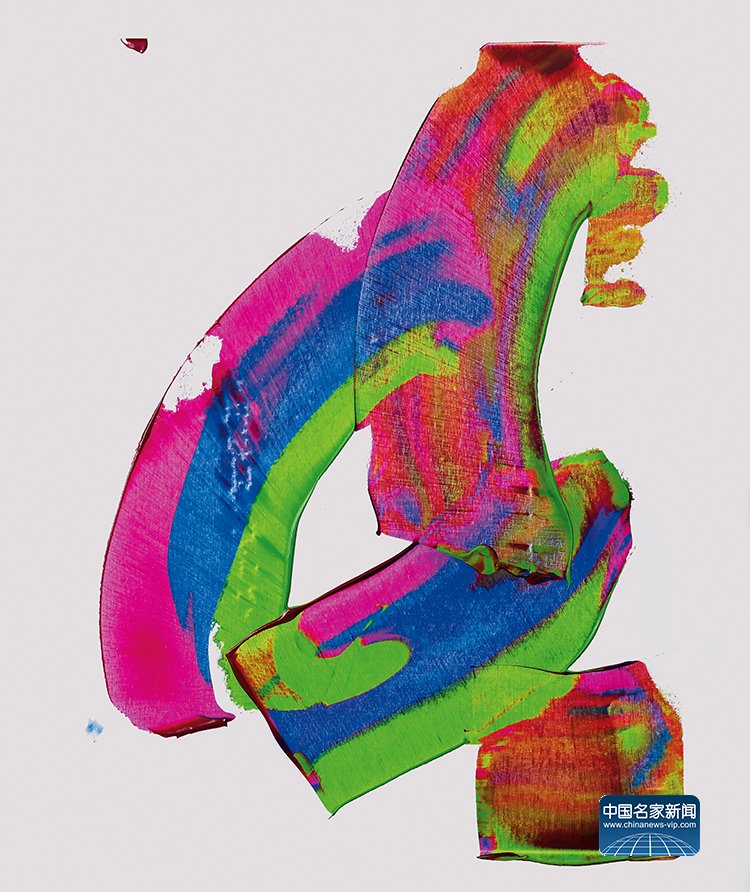 Folding Time 60cmx80cm 2024 by Li Geng
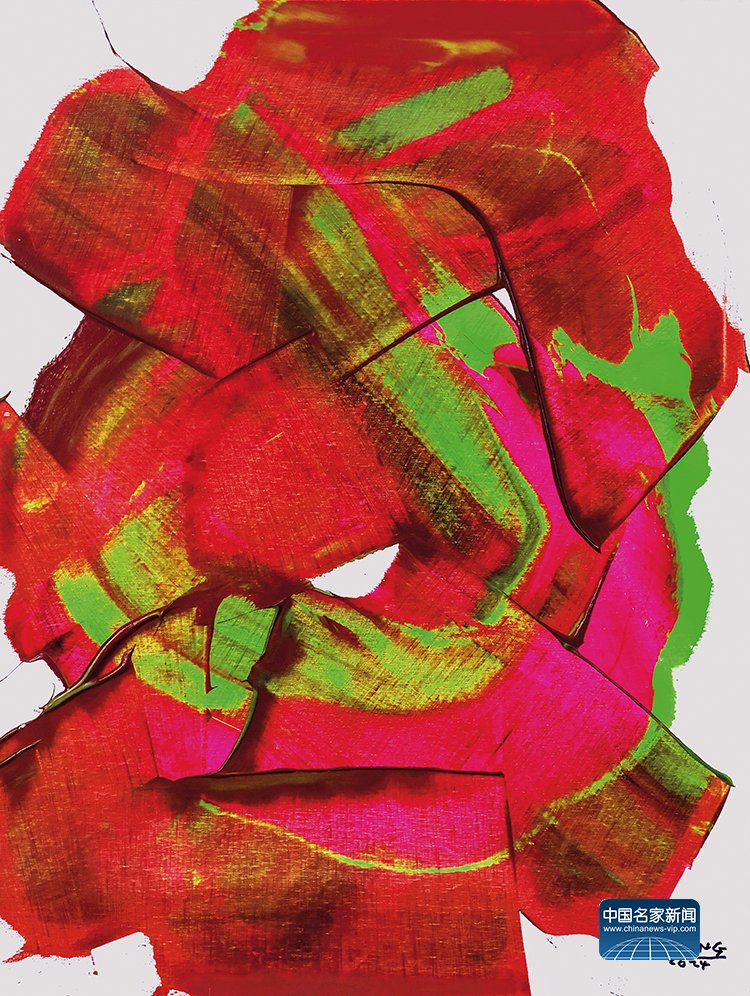 Folding Time 60cmx60cm 2024 by Li Geng
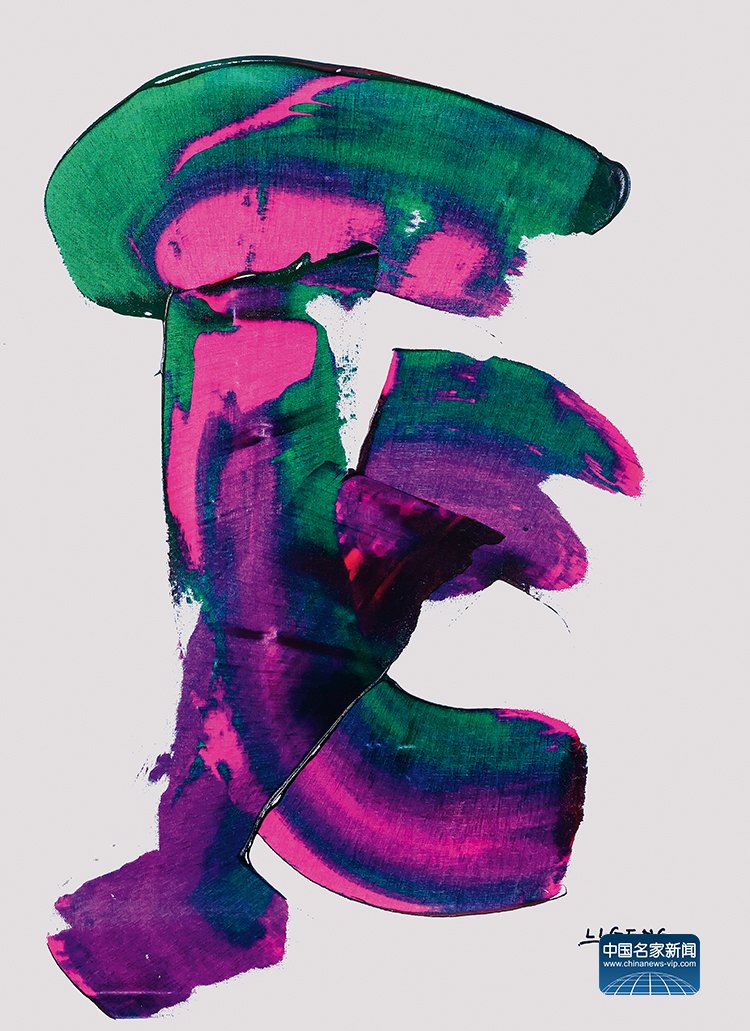 Folding Time 60cmx90cm 2024 by Li Geng
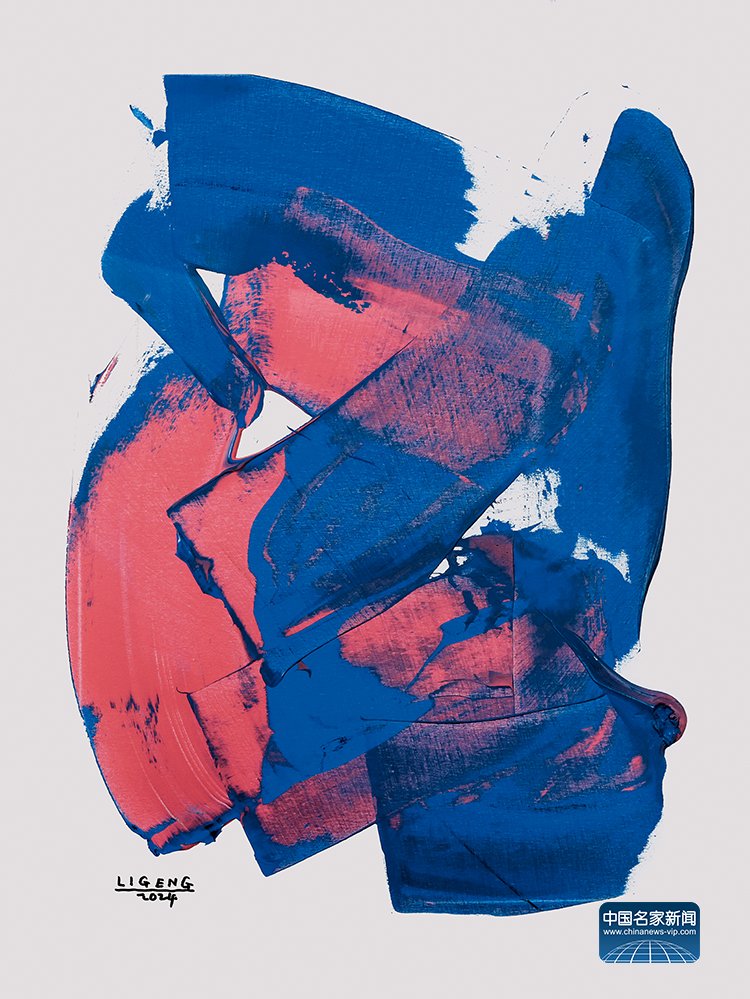 Folding Time 60cmx80cm 2024 by Li Geng
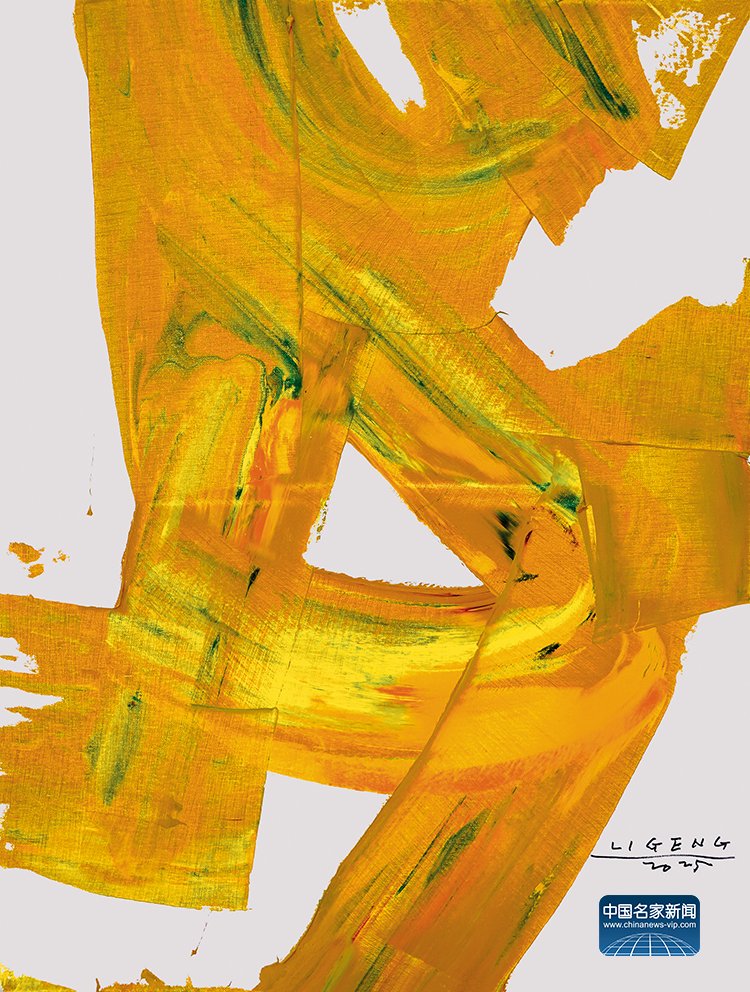 Folding Time 80cmx60cm 2025 by Li Geng
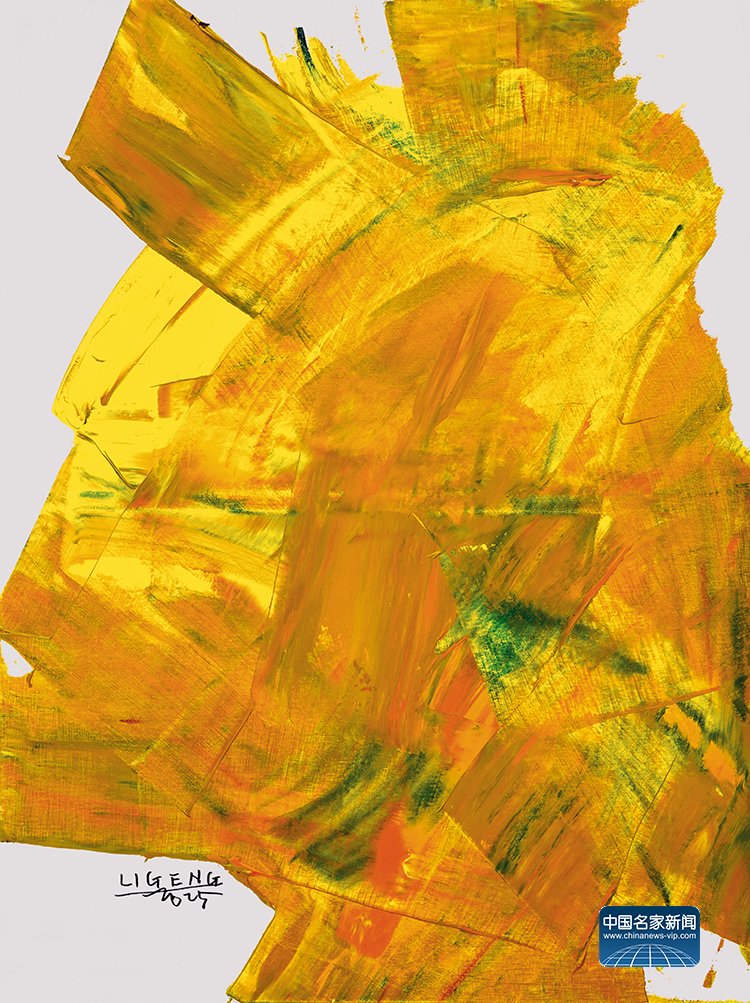 Folding Time 80cmx60cm 2025 by Li Geng
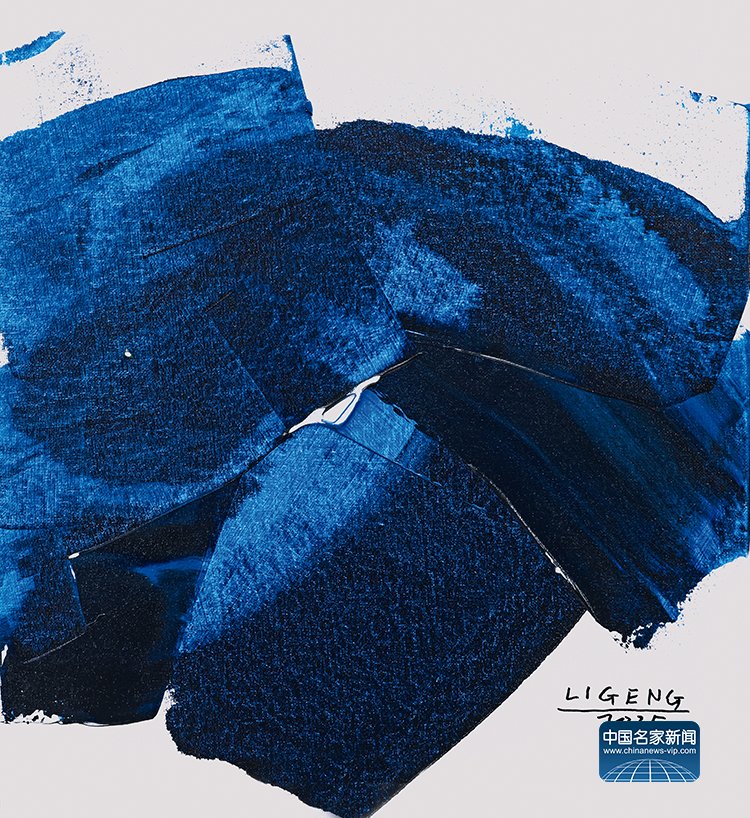 Folding Time 50cmx50cm 2025 by Li Geng
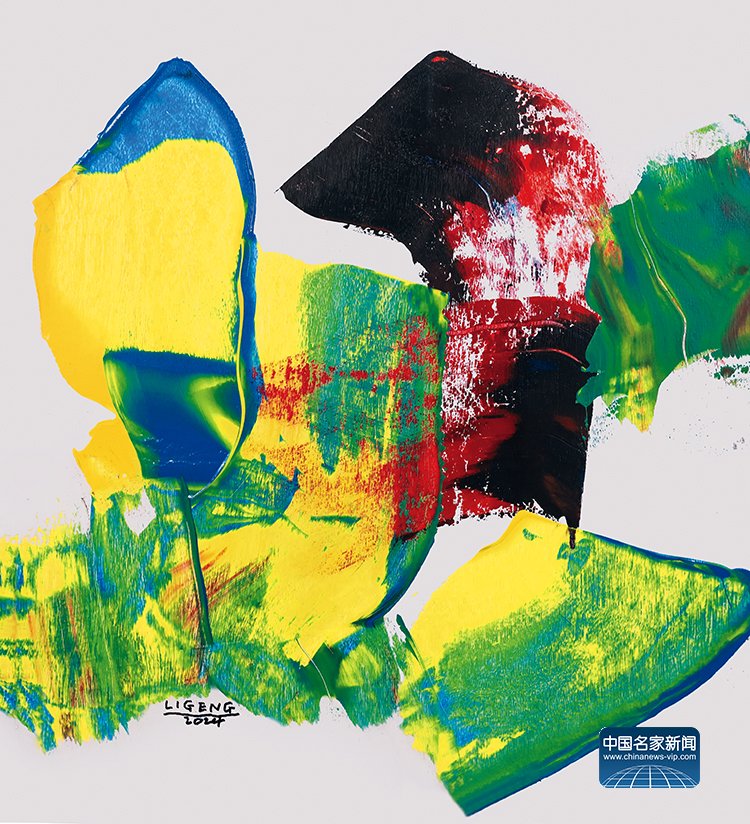 Folding Time 50cmx50cm 2025 by Li Geng
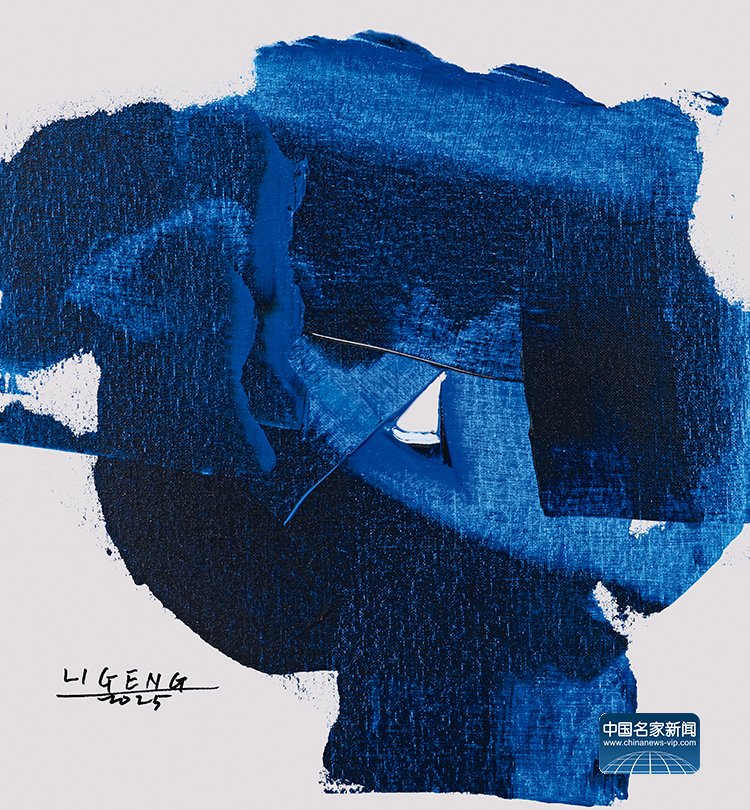 Folding Time 50cmx50cm 2025 by Li Geng
(Wang Baosheng, Editor-in-Chief of Chinese Cultural Figures) Upholding the legacy and pioneering innovation is the core tenets for inheriting and developing China’s excellent traditional culture, as well as a defining mission for artistic creation in the new era. Li Geng, who has deeply rooted himself in the fertile soil of traditional Chinese ink painting, has always taken “upholding the legacy” as his foundation and “innovation” as his driving force. Building upon the essence of “Li School Landscape” and the spirit of Chinese ink painting, he has boldly integrated the finest elements of Eastern and Western art, pioneering a distinctive new artistic realm. From his 1987 collaboration with a Japanese TV symphony orchestra to create the poetic painting Das Lied von der Erde inspired by Tang poetry, to his groundbreaking exploration of new media in paper-based ink painting in the 2023 exhibition Folded Time; from creating abstract ink translations for all eleven symphonies of Mahler to his original “critical” creative concept, Li Geng’s artistic path offers a vivid illustration of the creative transformation and innovative development of China’s outstanding traditional culture. It embodies the cultural self-awareness of artists in the new era to “stay grounded in their own heritage, draw on foreign achievements, and face the future.”
Innovation of Brush and Ink: A Fusion of Ancient and Modern in the Realm of "Critical"
The vitality of art lies in innovation, and the foundation of innovation lies in a profound grasp of tradition. Li Geng’s innovative brushwork has always been rooted in the core spirit of Chinese ink painting. Building upon his father Li Keran’s artistic characteristics of “ layered ink accumulation, richness and moist vibrancy”, he incorporates the composition and concepts of Western modern art, creating a unique creative philosophy of the “Critical State”. This has led to an artistic realm that blends abstraction and realism, earning him the industry’s praise as the “poet of transparent ink painting”. This innovative practice precisely embodies the core assertion that “innovation is the driving force of cultural development”, and offers a highly valuable exploration path for the modern transformation of traditional ink painting.
“Critical state” refers to the artistic boundary between abstraction and realism. With his unique ink-wash language, Li Geng constructs a visually dynamic space along this boundary. In his works, the interplay of ink and brushstrokes frequently overlap and interweave, creating a powerful sense of spatial structure. His art retains the aesthetic qualities of Chinese ink painting— “dynamic interplay of void and substance” and “endless artistic conception” —while incorporating the precise grasp of space and light from Western modern art. This innovation in brush and ink language is not a departure from tradition but a creative development rooted in a profound understanding of traditional brush and ink spirit. He upholds the core of Chinese ink painting: taking ink as the soul. Through variations in tone, moisture, density, and spacing, he conjures poetic conception. At the same time, drawing on Cezanne’s artistic philosophy, he enhances the structural and layered qualities of the painting, allowing ink on rice paper to not only depict the grandeur of landscapes but also convey abstract emotions and philosophical reflections.
Li Geng’s innovation in brush and ink is fully demonstrated in his series of works. Whether in his early realistic and lyrical pieces or later abstract expressionist works, one can see his continuous refinement and breakthrough in the language of brush and ink. In his realistic works, he outlines forms with precise brushwork and showcases light and shadow through delicate variations in ink tones, further expanding Li Keran’s innovative concept of “infusing light and shadow into landscape painting”. In his abstract works, he liberates brush and ink, allowing lines and ink to flow freely on rice paper. Through abstract forms, he conveys his inner emotions and perceptions of the world, while always preserving the distinctive charm and spirit of Chinese ink painting. This balance between “upholding the legacy” and “pioneering innovation” endows Li Geng’s brushwork with both profound traditional roots and distinct contemporary characteristics, infusing new vitality into traditional ink art.
Li Geng’s practice of cross-border integration vividly demonstrates the inclusiveness and enduring vitality of China’s outstanding traditional culture. It reveals that traditional ink art is not a closed system, but an open medium capable of blending with diverse artistic forms and cultural contexts. Through such integration, traditional ink art not only revitalizes modern aesthetic sensibilities but also serves as a vital bridge for cross-cultural exchange, allowing China’s cultural legacy to shine on a broader global stage.
Style Evolution: Artistic Sublimation in the Spirit of the Times
The evolution of artistic styles is both an inevitable result of artists’ continuous exploration and breakthroughs, as well as an important manifestation of how works of art embody the spirit of the times.. Li Geng’s artistic style, from early realistic lyricism to mid-period expressive romanticism and later classical transcendence, has always been rooted in the core of Chinese ink art. He has continuously drawn artistic nourishment from the world art, achieving repeated self-breakthroughs and sublimations, and resonating with the times through Chinese ink art.
In his early years, Li Geng delved deeply into traditional realistic painting under the guidance of his father Li Keran and numerous master artists, with a style centered on realistic lyricism. His works from this period showcased meticulous depictions of objective subjects, refined brushwork, and rigorous composition, demonstrating his solid foundation in traditional painting techniques. Whether in his award-winning early works or his early landscape paintings, one can discern his inheritance of the essence of “Li School Landscape” and his profound love for and understanding of real life. His works are imbued with a rich sense of daily life and genuine emotion.
After studying at Kyoto University at the age of 30, Li Geng’s artistic vision was greatly expanded. He systematically studied the trajectory of world art and gained an in-depth understanding of the concepts and forms of Western modern art, and his style gradually shifted toward expressive romanticism. During this period, his works no longer limited themselves to the simple reproduction of objective reality but placed greater emphasis on the expression of subjective emotions. His brushwork became more unrestrained and free, his use of color more daring, and his paintings brimmed with the passion and tension of romanticism. His experience of studying and teaching abroad allowed him to re-examine traditional Chinese art from an international perspective. Amid the collision and exchange with Western art, he continuously adjusted and refined his artistic style, yet the core of his works remained the spirit and essence of Chinese ink painting.
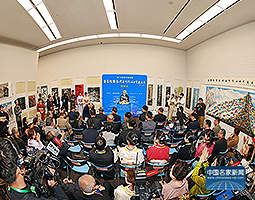
As his artistic practice deepened and life experiences expanded, Li Geng’s artistic style evolved into a phase of classical transcendence. During this period, he no longer deliberately pursued formal innovation, but returned to the essence of art, seeking a balance between tradition and modernity, East and West, thereby transcending classical art. His works embody both the weight and elegance of classical art and the simplicity and vitality of modern art, while also capturing the poetic beauty of Eastern art and the structural beauty of Western art. On December 6, 2023, Li Geng’s art exhibition and salon event “Folded Time” opened at the Huihe Tianyu Art Space in Beijing. This exhibition marked a new breakthrough in his artistic style and creative philosophy.
This exhibition showcases Li Geng’s acrylic works on canvas titled “Folded Time”, marking his first foray beyond traditional ink on paper into new media and creative directions. Developed through exchanges and collaborative exploration with scientists, this series represents a comprehensive breakthrough in materials, techniques, and conceptual thinking. In the exhibition’s preface, Li Geng wrote: “The realm of time and space has long been a subject of continuous exploration by scientists and artists throughout human history. Through relentless pursuit and discovery, we illuminate and enrich our lives. In this regard, art is not just about thinking; more importantly, it relies on perceptual insight, expressed through color and form. Intersection, curvature, and folding are the formal languages of this series.” Utilizing acrylics on canvas, Li Geng employs dynamic interplay of colors and shapes to convey his intuitive understanding of time and space, imbuing the works with philosophical depth and innovative vitality.
The “Folded Time” series marks an important stage in the evolution of Li Geng’s artistic style, and a vivid illustration of his commitment to the innovative development of art. It demonstrates that his artistic exploration has never ceased, with an open-minded approach to embracing new ideas and exploring fresh directions, continuously pushing the boundaries of traditional ink art. This stylistic progression reflects not only his personal artistic aspirations but also the inevitable demands of our era. As society advances and cultural exchanges deepen, artistic creation must innovate to better capture the zeitgeist and meet the aesthetic expectations of the public.
Achieving Creative Transformation and Innovative Development to Resolve the Dispute Between Ancient and Modern, Chinese and Western
Throughout art history, the enduring dispute between ancient and modern, Chinese and Western traditions has been a central challenge for creators. The dilemma of whether to cling to tradition while rejecting foreign influences, or blindly follow Western models while abandoning cultural roots, has perplexed many artists. Li Geng’s artistic practice, however, offers a vivid solution to this dilemma by adhering to the principle of “making the past serve the present, weeding through the old to bring forth the new, and promoting the creative transformation and innovative development of fine traditional Chinese culture”. He has never fallen into the trap of binary opposition. Instead, he grounds his work in “upholding the legacy” while expanding its horizons through “innovation”. By harmonizing tradition with modernity and fostering mutual learning between East and West, Li demonstrates that “dual innovation” is the key to resolving the dispute between ancient and modern, Chinese and Western.
To resolve the “dispute between ancient and modern, Chinese and Western”, the primary task is to uphold the subjectivity of Chinese culture and solidify the foundation of “interconnection between ancient and modern” through “creative transformation”. The so-called “upholding the legacy” essentially means preserving the cultural roots in the dialogue between “ancient and modern”, rather than rigidly clinging to traditional forms. Li Geng has always centered his work on Chinese ink art. Whether in innovation of brushwork and ink, cross-disciplinary integration, or exploration of new media, he maintains a profound reverence for traditional Chinese art, deeply excavating the core aesthetics of “the interplay of void and substance” and “prioritizing artistic conception”. This commitment has enabled his creations to avoid the conservatism of “blind revivalism” and the radicalism of “severing ties with tradition”. Through modern reinterpretations of traditional brushwork and poetic artistic conception, he ensures the continuation of classical aesthetic spirit in contemporary contexts, achieving a smooth transition between tradition and modernity, and providing a practical model for resolving the “dilemma of ancient and modern.”
To resolve the “dispute between ancient and modern, Chinese and Western”, the key lies in maintaining an open and inclusive mindset, building a bridge of “mutual learning between China and the West” through “innovative development”. The so-called “innovation” does not mean blindly following Western art trends, but rather absorbing the world’s outstanding cultural achievements while adhering to the essence, endowing traditional art with new modern expressions. Li Geng dared to transcend the single dimension of traditional painting, blending the poetic imagery of Tang poetry with Western symphonies to achieve a cross-disciplinary integration of poetry, music, and ink wash; he dares to break the limits of ink painting on paper and explore the creative potential of new media such as acrylic on canvas; he dares to draw on the ideas of Western masters such as Cézanne and pioneer the “Critical State” creative concepty. This innovation is not a denial of Eastern culture, but promotes the exchange and integration of fine traditional Chinese culture with the world’s outstanding cultures through equal dialogue. It retains a distinct Chinese style while embracing an international vision, successfully overcoming the barrier between China and the West.
From creating a series of ink works for Mahler’s symphonies to achieve a cross-temporal dialogue between Chinese and Western art, to presenting the “Folding Time” exhibition exploring the modern expression of traditional aesthetics through new media; from forging the “critical” creative concept that blurs the boundaries between abstraction and realism, to achieving cross-disciplinary integration that builds an artistic ecosystem where poetry, music, and painting coexist, Li Geng has fully interpreted the core value of the “Two Creations” concept in resolving the “dispute between ancient and modern, Chinese and Western” through his lifelong artistic pursuit. His artistic journey clearly demonstrates that “ancient and modern” are not opposing poles, and “Chinese and Western” are not isolated barriers. China’s excellent traditional culture is by no means a rigid antique, but a living culture that can resonate with the times and engage in dialogue with the world through creative transformation and innovative development. In the context of globalization, Li Geng’s exploration provides valuable inspiration for more art practitioners: only by grounding themselves in traditional roots, embracing openness and inclusiveness, and daring to innovate and break through can they truly transcend the myth of the “dispute between ancient and modern, Chinese and Western”. In this way, artists can create outstanding artworks that carry both China’s characteristics and global significance, allowing Chinese ink art to flourish with stronger vitality through upholding the legacy and pioneering innovation.
(Editors: Liu Sheng, Zhang Yan)