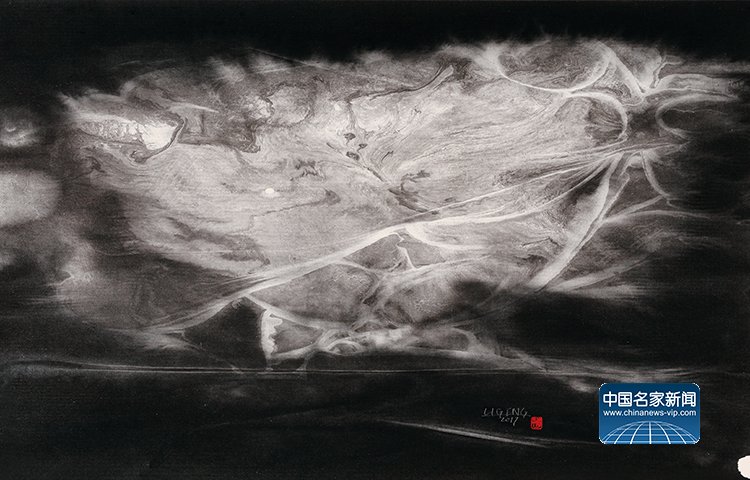
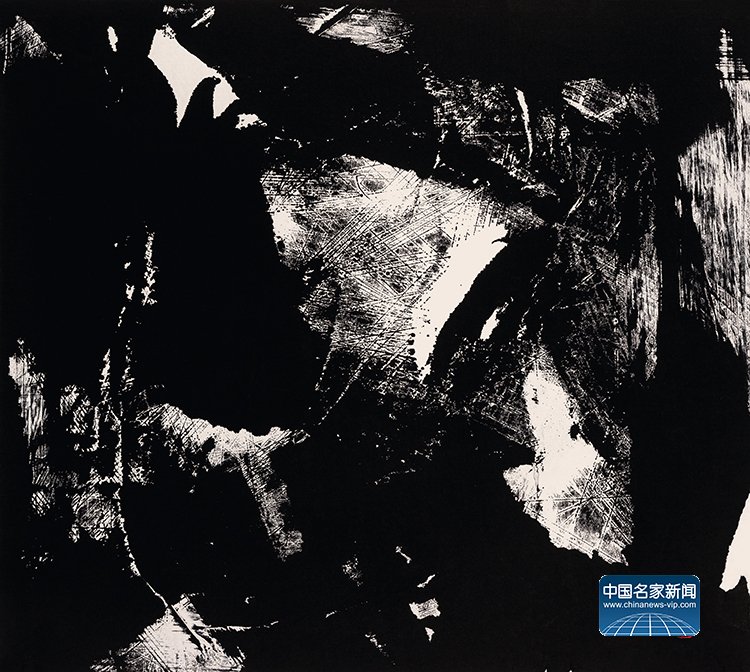
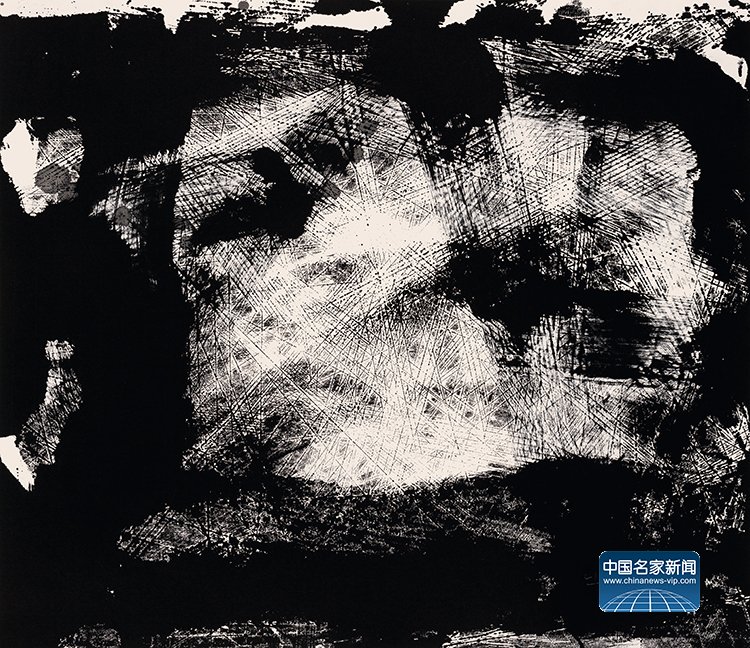
 Mahler: Symphony Series Ink Painting 2018 by Li Geng
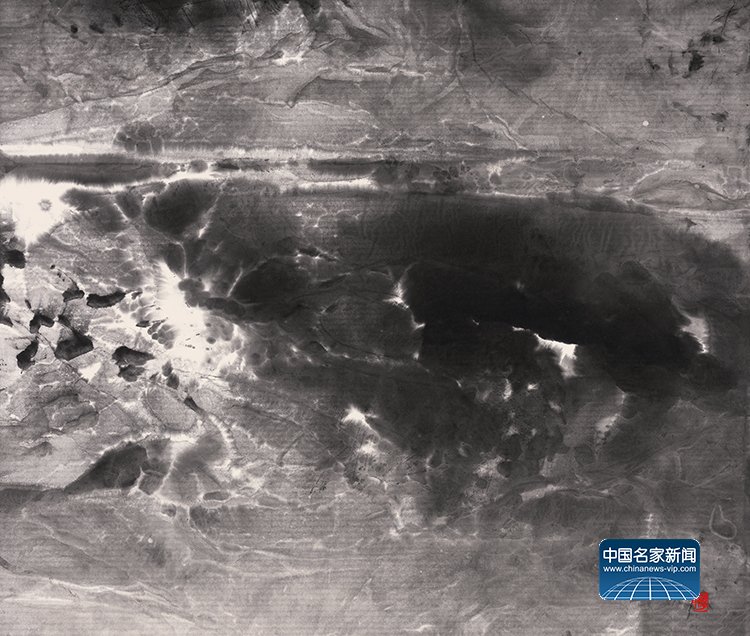 Mahler: Symphony Series Ink Painting 2018 by Li Geng
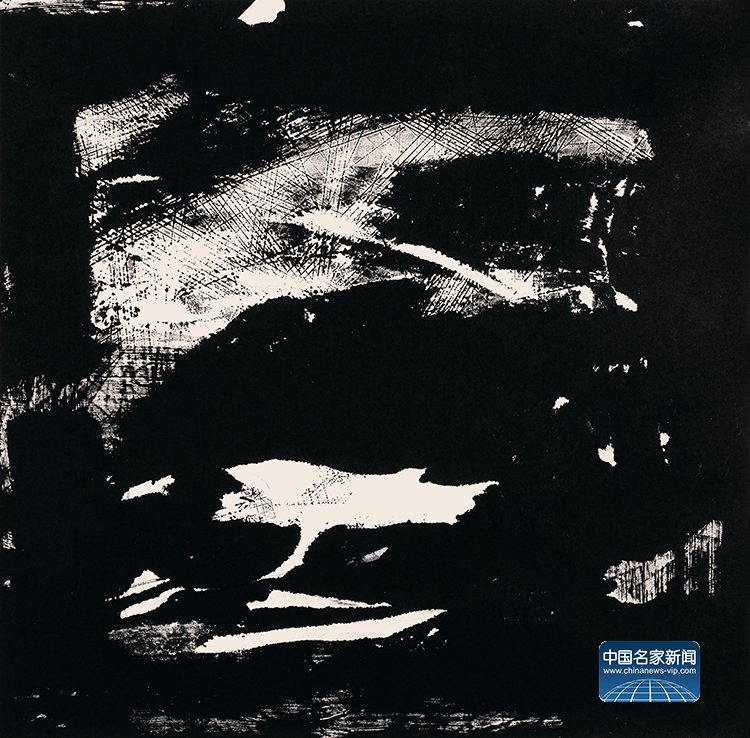
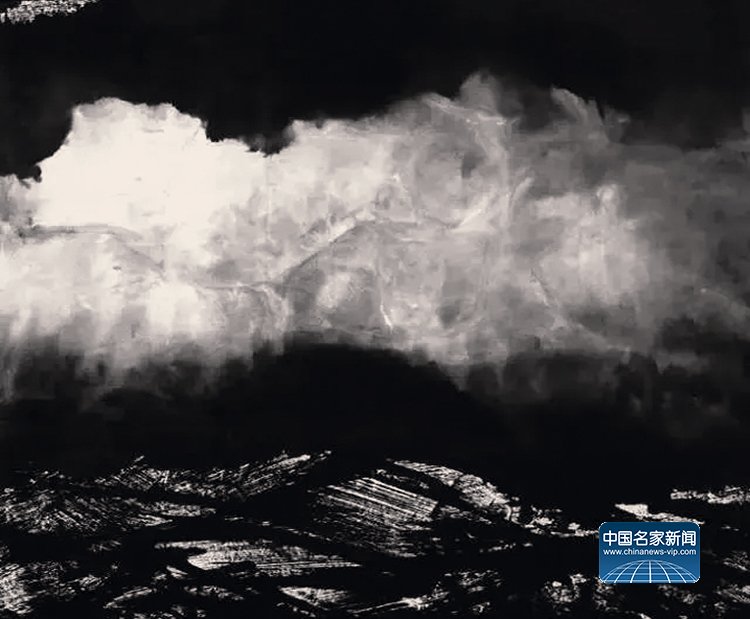 Mahler Symphony · Ink Space Series Ink 2018 Li Geng
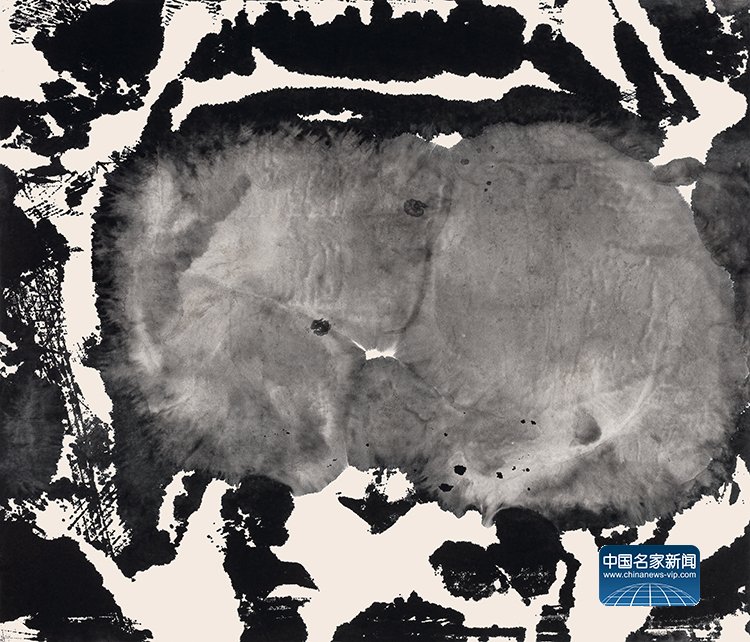 Mahler: Symphony Series Ink Painting 2018 by Li Geng
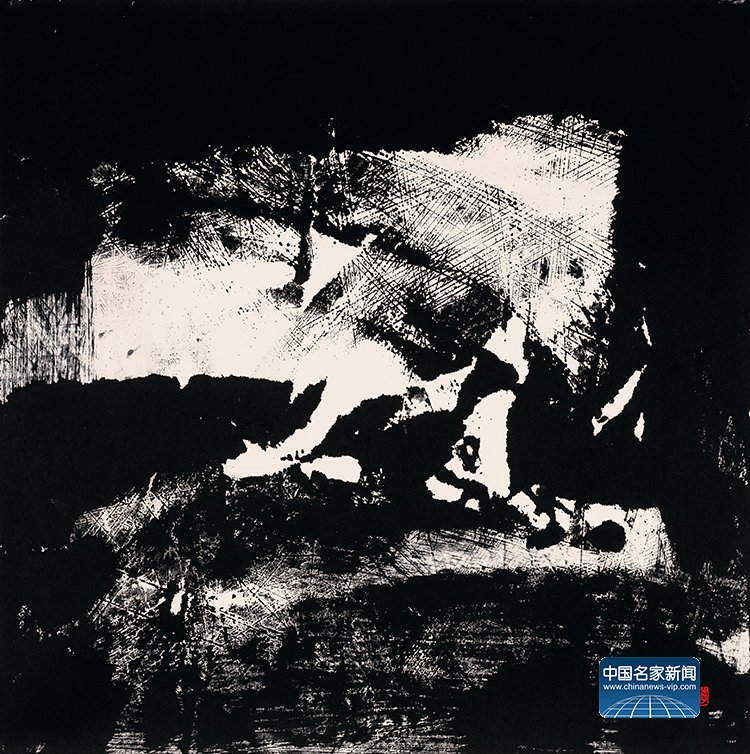
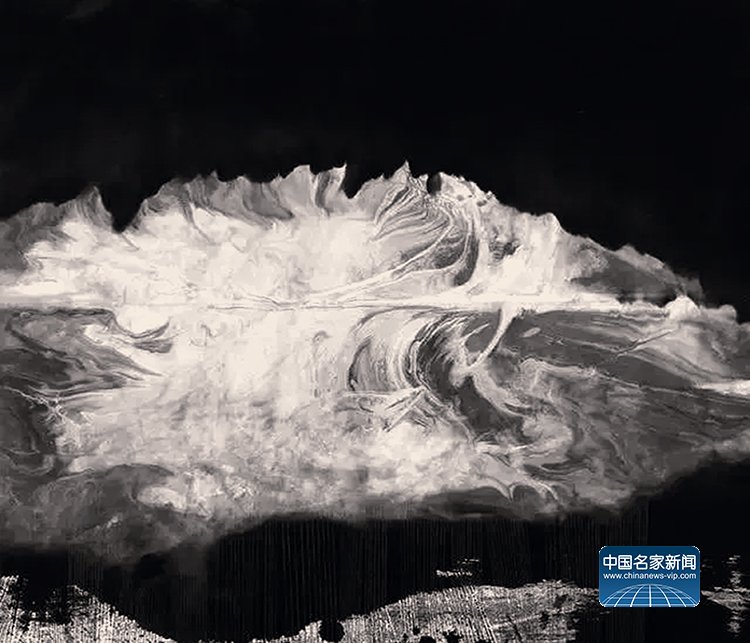 Mahler Symphony · Ink Space Series Ink 2018 Li Geng
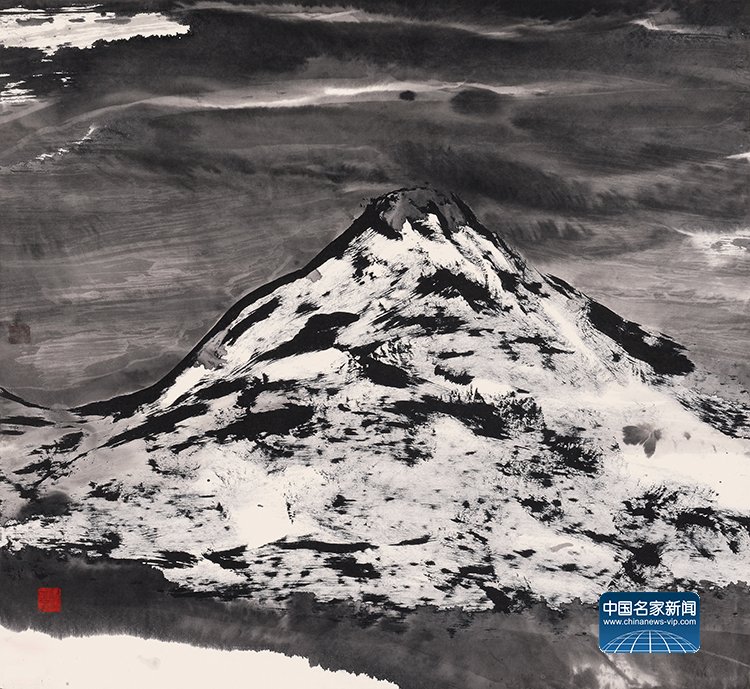
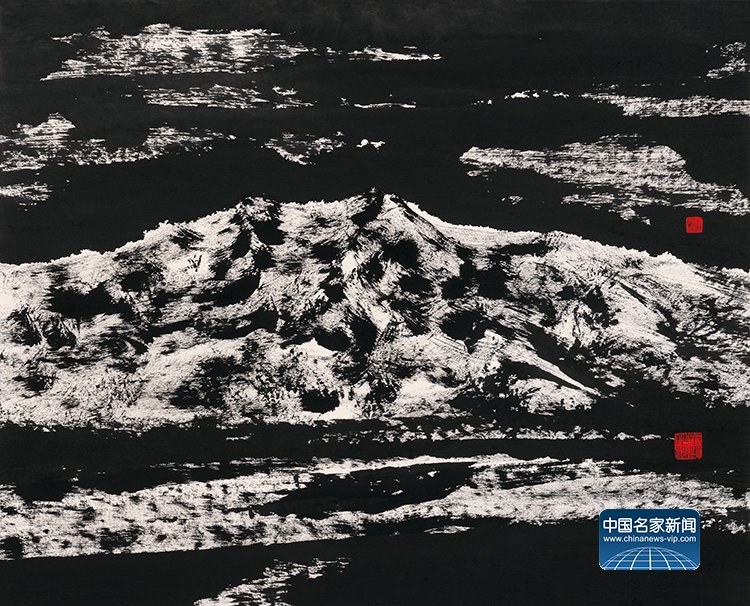 Burnt Ink Landscape by Li Geng
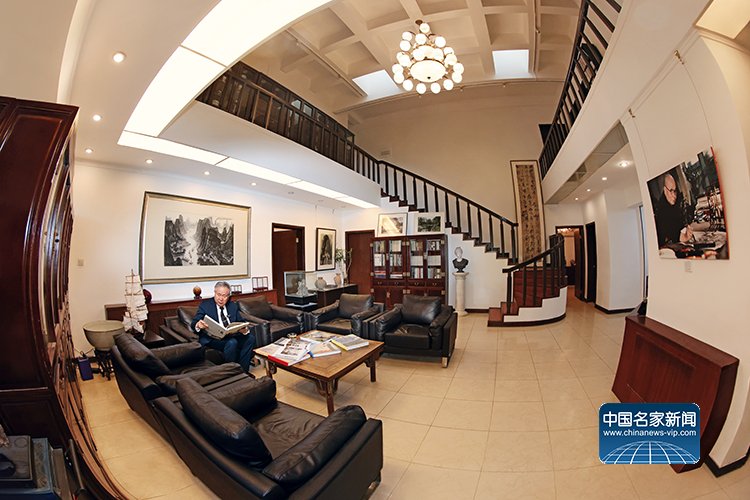 For more than thirty years, Li Geng has devoted himself to creation with passion. He has produced hundreds of abstract ink paintings inspired by Mahler's eleven symphonies. This groundbreaking endeavor is extremely rare in both music and painting history: it is not only a cross-border encounter between Chinese and Western arts but also as a historical echo of the exchange and interaction among human civilizations.
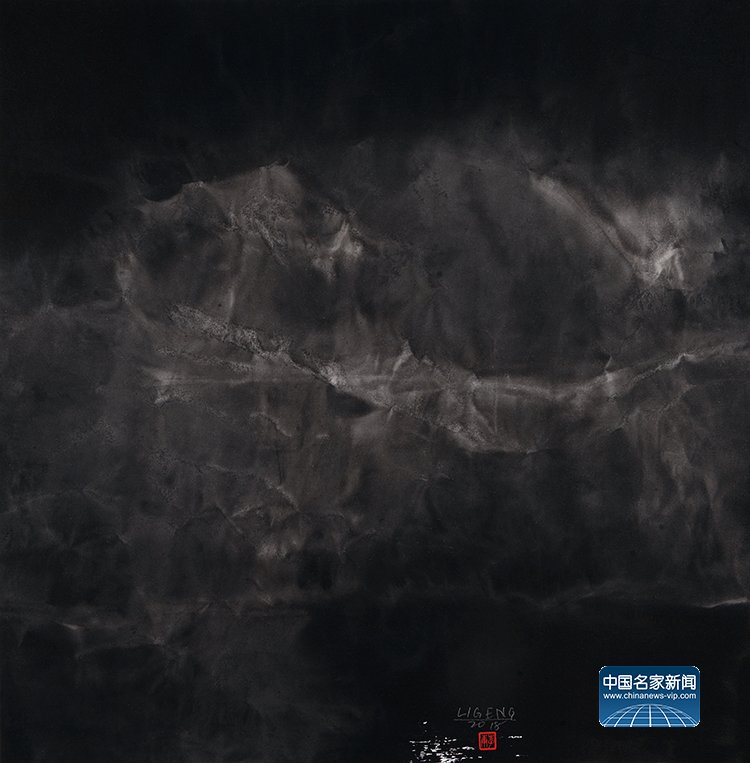 Mahler: Das Lied von der Erde Series-DSC_7727,70x70cm ink on paper, 2018, by Li Geng
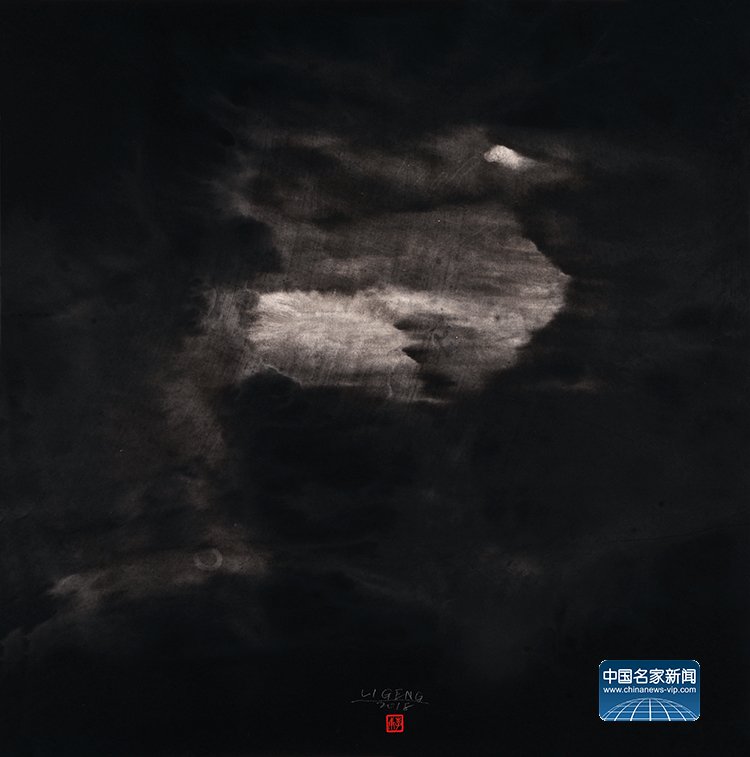 Mahler: Das Lied von der Erde Series-DSC_7732,70x70cm ink on paper, 2018, by Li Geng
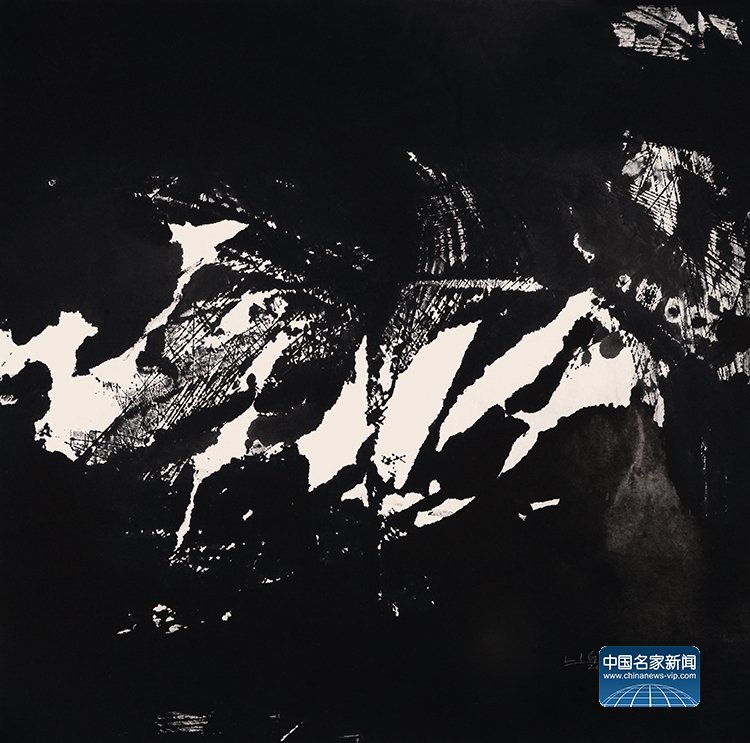 Mahler: Das Lied von der Erde Series-DSC_7725,70x70cm ink on paper, 2018, by Li Geng
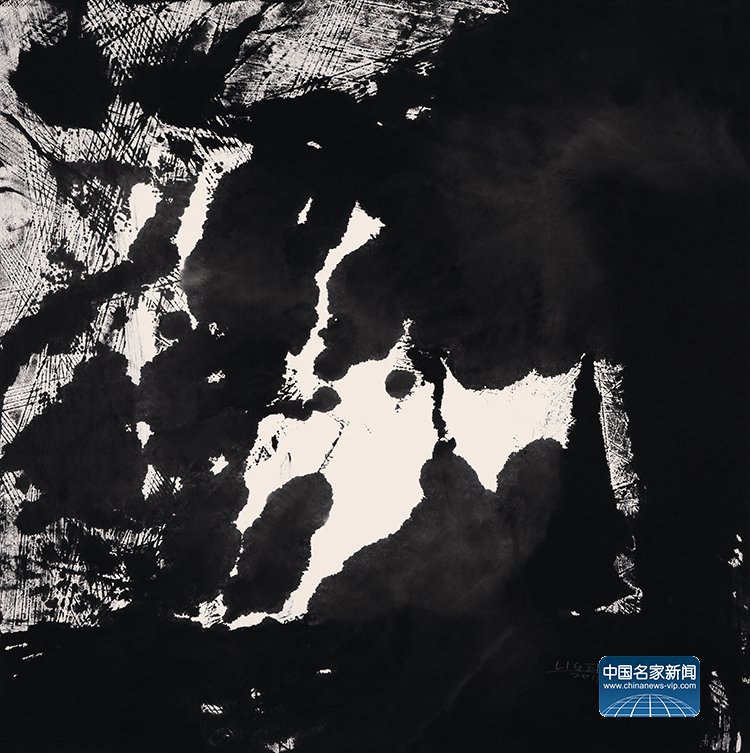 Mahler: Das Lied von der Erde Series-DSC_7726,70x70cm ink on paper, 2018, by Li Geng
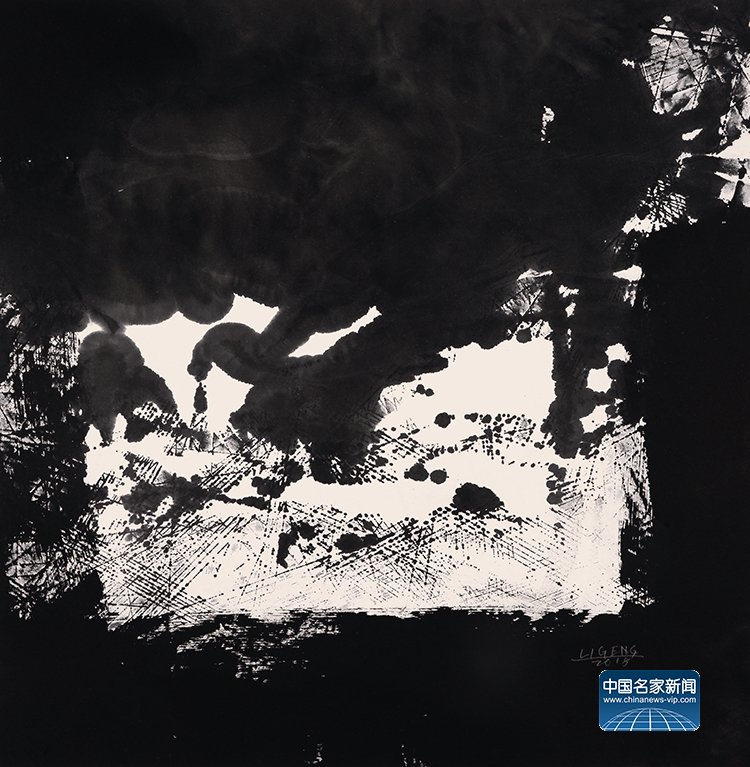 Mahler: Das Lied von der Erde Series-DSC_7728,70x70cm ink on paper, 2018, by Li Geng
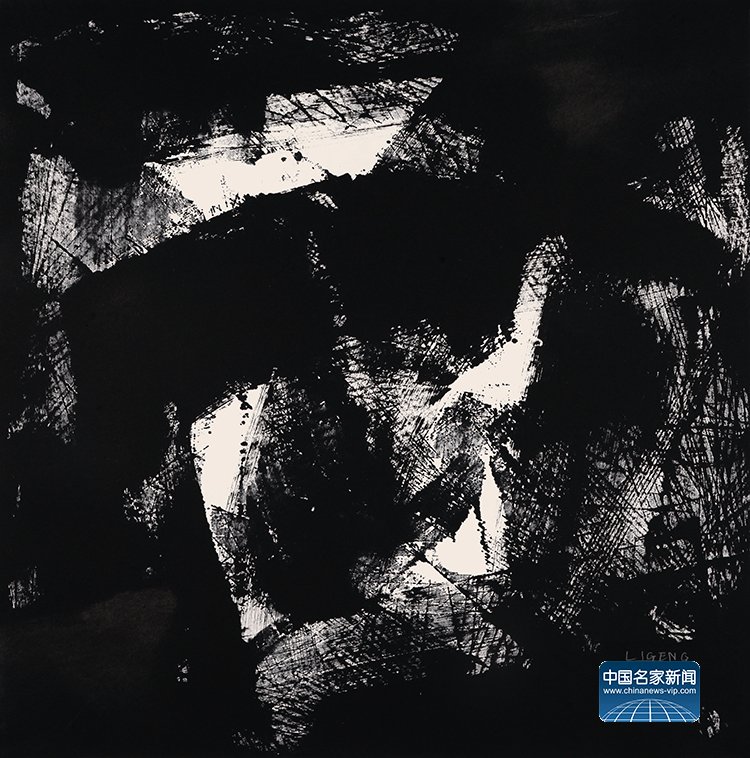 Mahler: Das Lied von der Erde Series-DSC_7729,70x70cm ink on paper, 2018, by Li Geng
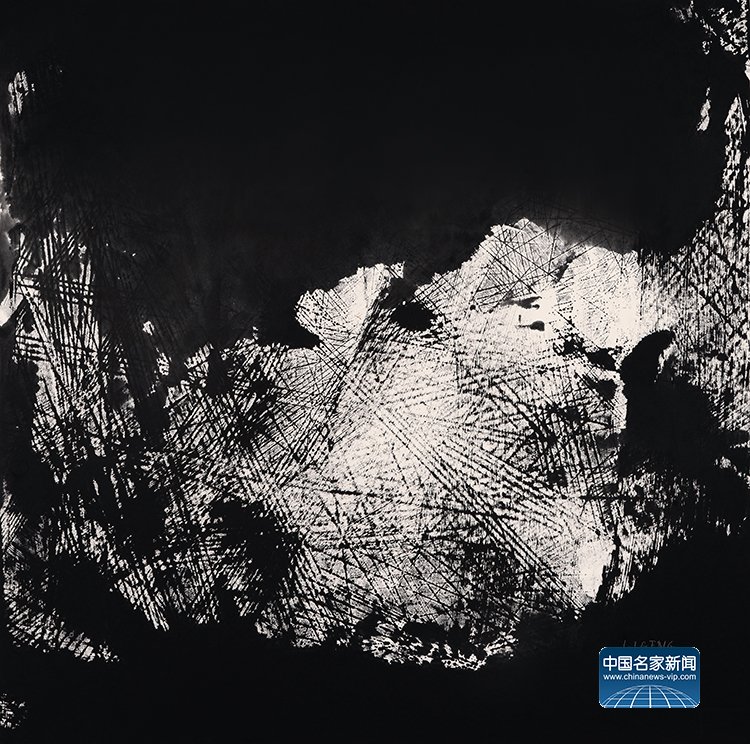 Mahler: Das Lied von der Erde Series-DSC_7731,70x70cm ink on paper, 2018, by Li Geng
(Wang Baosheng, Editor-in-Chief of Chinese Cultural Figures) In 1987, a special artistic event was held in Japan to commemorate the Japanese music giant Takashi Asahina. Li Geng was invited to collaborate with the Japan Television Symphony Orchestra to create paintings inspired by the Tang poetry in Mahler’s Das Lied von der Erde and to improvise on stage during the live broadcast of the special concert. Mahler’s Das Lied von der Erde itself is a product of the fusion of Eastern and Western cultures: it sets Tang poems to music, expressing Eastern sentiments through Western symphonic form. Li Geng’s live improvisation elevated this fusion to new heights. Using ink and brush as his medium, he transformed the melodies and rhythms of symphonic music and the imagery and emotions of Tang poetry into visual art. This allowed the audience to to not only hear the music but also directly perceive the rich Eastern poetry within it. This improvisation received tremendous acclaim and marked the beginning of Li Geng’s decades-long artistic dialogue with Mahler’s symphonies.
In the more than three decades that followed, Li Geng has maintained his passion for Mahler’s symphonies and creative fervor. He produced hundreds of abstract ink paintings for all eleven of Mahler’s symphonies, including the D Major First Symphony, The Titan and the C Minor Second Symphony Resurrection. Such an undertaking is extremely rare in both music and painting history. From the perspective of cultural inheritance and exchange, this encounter transcends being merely a century-old meeting between a Western musical master and an Eastern ink painter—it resonates as two echoes of human civilization’s historical interactions. The Tang Dynasty poets, more than a thousand years ago, could never have imagined that, ages later, they would find a kindred spirit in Mahler in far-off Europe. Their poetic and musical collision gave birth to the monumental Das Lied von der Erde. Yet Mahler himself could not have foreseen that eighty years later, his works would collide with Eastern ink artistry once again, inspiring Li Geng’s series of abstract ink paintings.
From Tang poetry to symphony, and then to abstract ink painting, Li Geng has used brush and ink as a bridge to connect different art forms between East and West, as well as cultural emotions spanning a thousand years. In his Mahler Symphony Series, there is no simple representation of musical scenes. Instead, through an abstract ink language, he conveys the emotional fluctuations and philosophical depth embedded in the symphonies. In dynamic passages, the brushwork bursts with vibrant colors; in serene moments, the lines flow with delicate elegance. This transformation preserves the essence of traditional Chinese ink art—capturing form to express spirit and prioritizing artistic conception—while introducing new dimensions. It enables traditional ink art to articulate modern emotions and artistic insights within multicultural contexts with remarkable precision.
(Editors: Liu Sheng, Zhang Yan)